What are some notable examples of decorative elements in Palma's Islamic architecture?
Similar Topics
Palma architecture
Islamic heritage
azulejos tile work
horseshoe arch
Royal Palace of La Almudaina
Islamic design
Gothic Islamic blend
decorative ceilings
Palma history
Mallorca tourism
Palma, the capital of Mallorca, boasts a rich history that reflects its Islamic heritage, particularly in its architecture. One of the most striking examples of this influence can be observed in the intricate tile work, known as “azulejos,” which adorn various buildings throughout the city. These colorful ceramic tiles often feature geometric patterns and floral motifs that exemplify the artistry of Islamic design. The use of vibrant colors and elaborate patterns not only serves an aesthetic function but also reflects the cultural significance of nature and harmony in Islamic art.
Another notable element is the use of arches and columns, which were essential in Islamic architecture and can be seen throughout Palma. The horseshoe arch, in particular, is a defining characteristic, often flanked by beautifully crafted column capitals. These arches create a sense of openness and fluidity within spaces, inviting natural light to filter through. In addition, the layout of some of the older structures, with their courtyards and gardens, showcases the Islamic principle of integrating nature into living spaces, enhancing not just beauty but also tranquility.
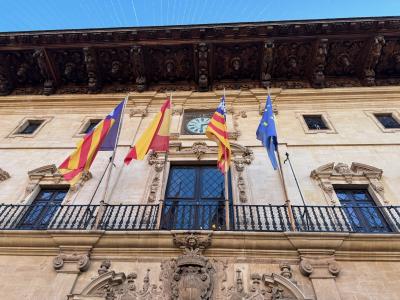
The Royal Palace of La Almudaina, originally a Moorish fortress, is a remarkable example of how Islamic elements have been adapted over time. The palace features stunning decorative ceilings with woodwork that exhibits Islamic craftsmanship, as well as ornate stone carvings that reflect the period’s aesthetic values. Visitors can also appreciate the blend of Gothic and Islamic styles that characterize many buildings in Palma, illustrating the city’s evolution and the layers of cultural influences that have shaped it. Exploring these architectural gems offers a fascinating glimpse into Palma’s past and the enduring legacy of its Islamic roots.
Another notable element is the use of arches and columns, which were essential in Islamic architecture and can be seen throughout Palma. The horseshoe arch, in particular, is a defining characteristic, often flanked by beautifully crafted column capitals. These arches create a sense of openness and fluidity within spaces, inviting natural light to filter through. In addition, the layout of some of the older structures, with their courtyards and gardens, showcases the Islamic principle of integrating nature into living spaces, enhancing not just beauty but also tranquility.
The Royal Palace of La Almudaina, originally a Moorish fortress, is a remarkable example of how Islamic elements have been adapted over time. The palace features stunning decorative ceilings with woodwork that exhibits Islamic craftsmanship, as well as ornate stone carvings that reflect the period’s aesthetic values. Visitors can also appreciate the blend of Gothic and Islamic styles that characterize many buildings in Palma, illustrating the city’s evolution and the layers of cultural influences that have shaped it. Exploring these architectural gems offers a fascinating glimpse into Palma’s past and the enduring legacy of its Islamic roots.
Palma
More Fotos