What historical events influenced the architecture of this part of Mallorca?
Similar Topics
Mallorca architecture
historical events Mallorca
Moorish influence
La Seu Cathedral
Arab baths Mallorca
Gothic architecture Mallorca
Renaissance buildings Mallorca
Art Nouveau Mallorca
Palma architecture
Mallorca history
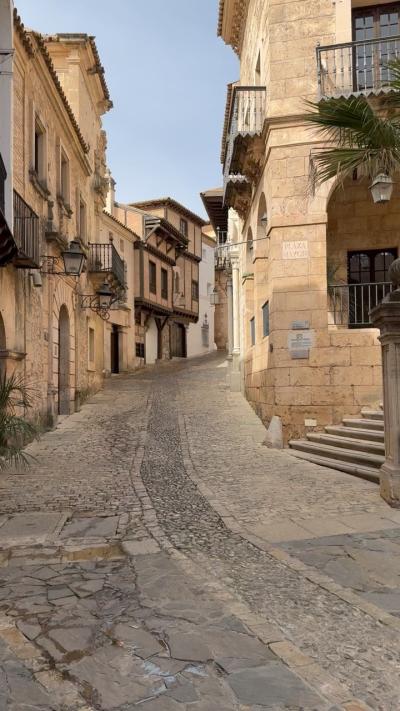
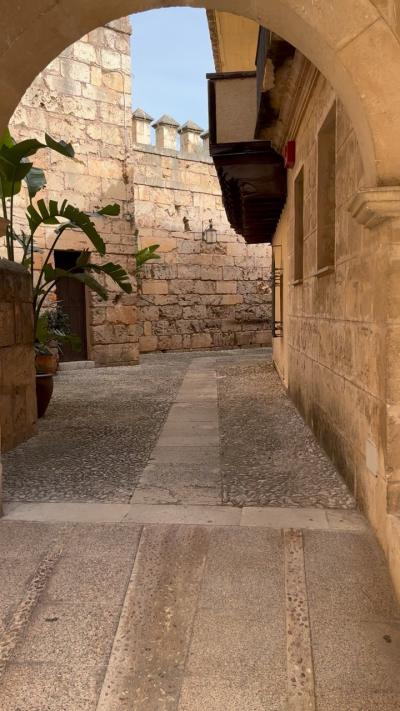
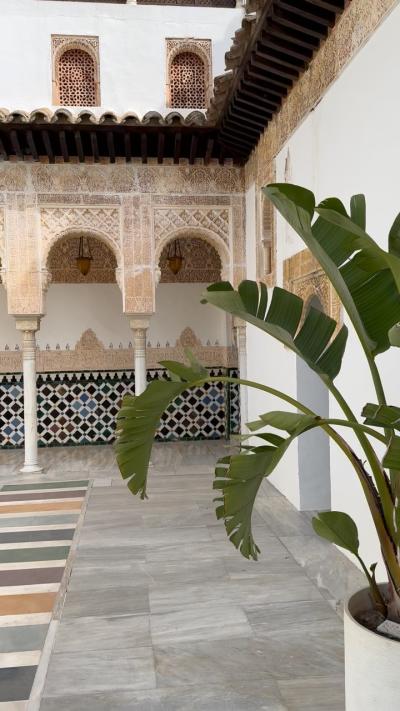
Mallorca's architecture is a rich tapestry woven from its diverse historical influences, reflecting the island's complex past. Initially, the Phoenicians and Romans left their mark, with structures that showcased their engineering prowess, such as aqueducts and homes built for functionality. The fall of the Roman Empire brought about a period of decline, but the arrival of the Moors in the 8th century dramatically transformed the architectural landscape. They introduced intricate designs, courtyards, and the use of local materials, which can still be observed in the stunning Arab baths and the elaborate façades of buildings in Palma. Their influence is evident in the delicate stuccos and the distinctive horseshoe arches that characterize much of the island's historical architecture.
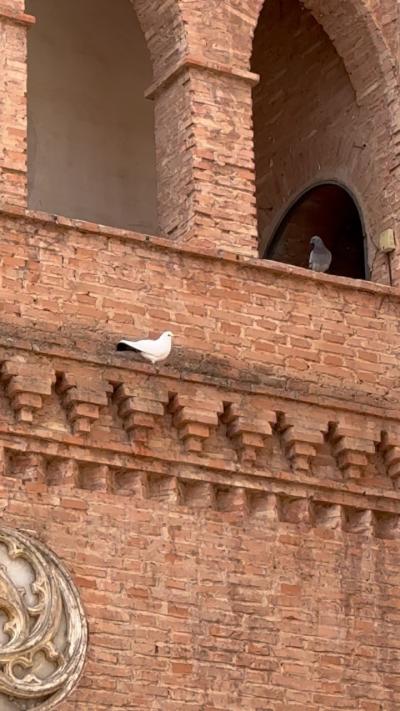
The Reconquista in the 13th century, when the Christian forces took control of Mallorca, led to further architectural evolution. The newly established Christian kingdoms erecting cathedrals, castles, and fortifications, often repurposing existing Moorish structures. The majestic La Seu Cathedral, a prime example of Gothic architecture, showcases this blend of styles, featuring elements from both the Islamic and Christian periods. The Renaissance and Baroque movements then introduced new aesthetics, emphasizing symmetry and grandeur, which can be seen in the palatial homes and religious buildings scattered throughout the island.
In the 19th and early 20th centuries, Mallorca experienced a cultural renaissance that spurred the construction of modernist buildings, particularly in Palma. Architects like Gabriel Alomar and the famous local architect, Joan Rubió i Bellver, embraced the Art Nouveau style, which is evident in the flowing lines and decorative elements of many residential buildings. This period saw a fusion of traditional Mallorcan styles with contemporary influences, leading to the unique architectural identity that characterizes the island today. As you wander through Mallorca, you will find that each building tells a story, reflecting the layers of history that have shaped this beautiful island.
The Reconquista in the 13th century, when the Christian forces took control of Mallorca, led to further architectural evolution. The newly established Christian kingdoms erecting cathedrals, castles, and fortifications, often repurposing existing Moorish structures. The majestic La Seu Cathedral, a prime example of Gothic architecture, showcases this blend of styles, featuring elements from both the Islamic and Christian periods. The Renaissance and Baroque movements then introduced new aesthetics, emphasizing symmetry and grandeur, which can be seen in the palatial homes and religious buildings scattered throughout the island.
In the 19th and early 20th centuries, Mallorca experienced a cultural renaissance that spurred the construction of modernist buildings, particularly in Palma. Architects like Gabriel Alomar and the famous local architect, Joan Rubió i Bellver, embraced the Art Nouveau style, which is evident in the flowing lines and decorative elements of many residential buildings. This period saw a fusion of traditional Mallorcan styles with contemporary influences, leading to the unique architectural identity that characterizes the island today. As you wander through Mallorca, you will find that each building tells a story, reflecting the layers of history that have shaped this beautiful island.
More Fotos