What measures protect the coastal waters around Mallorca's beaches and coves?
Similar Topics
mallorca coastal protection
marine conservation
posidonia oceanica
protected marine areas
es trenc beach
tramuntana conservation
sustainable tourism mallorca
beach clean-ups
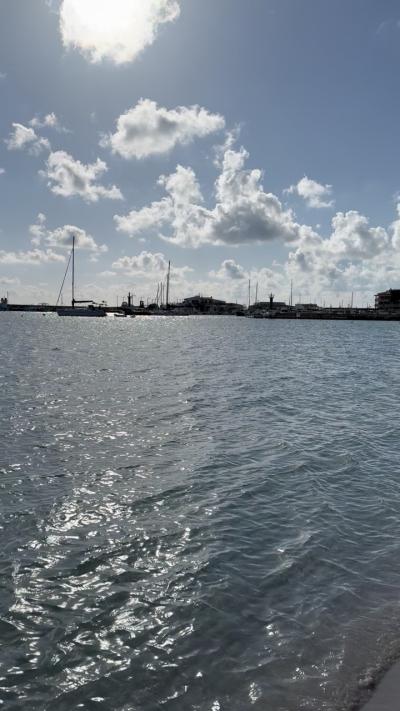
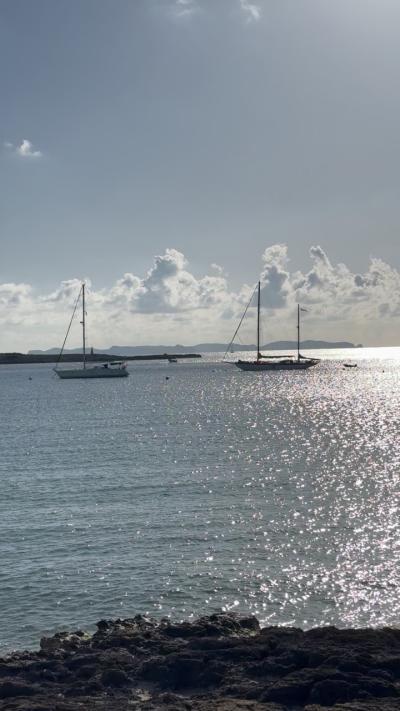
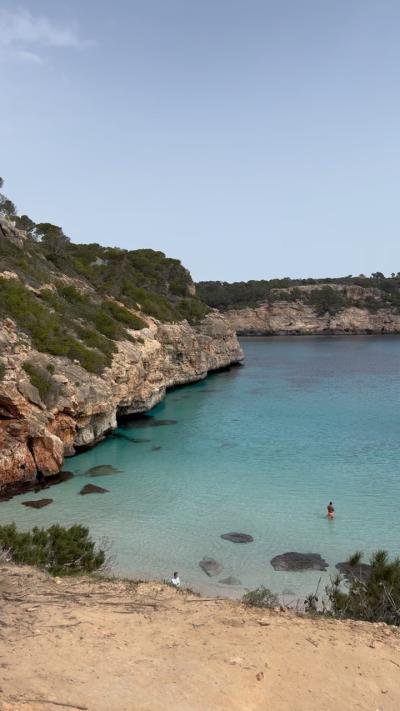
The southern coastline near Es Trenc and Cala Llombards benefits from designated marine protected areas where fishing and anchoring are carefully regulated to safeguard seagrass beds and marine biodiversity. Around the northern headlands near Formentor and the bays of Alcudia and Pollenca, local authorities work with environmental groups to monitor water quality and reduce pollution runoff, especially from agriculture and urban sources. Visitors often notice signage reminding them to avoid disturbing the fragile Posidonia oceanica meadows, a priority ecosystem unique to these waters.
Community-driven initiatives are also common, particularly in Palma and Soller, where volunteers regularly organise beach clean-ups that help maintain the pristine condition of popular swimming spots. The TIB bus network promotes sustainable travel to coastal areas, reducing the pressure from car traffic on sensitive roadways like the Ma-13 in the Tramuntana. Efforts to raise awareness include informational campaigns during island events such as Nit de Foc, encouraging both locals and tourists to respect marine life and practice responsible water sports.
Scientific research carried out by institutions based in Manacor and the Universitat de les Illes Balears informs conservation strategies, tracking changes in fish populations and habitat health. This data is crucial when setting seasonal restrictions on activities like anchoring and fishing. By following local etiquette—such as not anchoring over Posidonia beds and taking care to carry out all waste—travelers can enjoy the coast while playing a part in the ongoing preservation of these exceptional marine environments.
Community-driven initiatives are also common, particularly in Palma and Soller, where volunteers regularly organise beach clean-ups that help maintain the pristine condition of popular swimming spots. The TIB bus network promotes sustainable travel to coastal areas, reducing the pressure from car traffic on sensitive roadways like the Ma-13 in the Tramuntana. Efforts to raise awareness include informational campaigns during island events such as Nit de Foc, encouraging both locals and tourists to respect marine life and practice responsible water sports.
Scientific research carried out by institutions based in Manacor and the Universitat de les Illes Balears informs conservation strategies, tracking changes in fish populations and habitat health. This data is crucial when setting seasonal restrictions on activities like anchoring and fishing. By following local etiquette—such as not anchoring over Posidonia beds and taking care to carry out all waste—travelers can enjoy the coast while playing a part in the ongoing preservation of these exceptional marine environments.

Cala Figuera
More Fotos

Related Questions
Related Question
Are there any special events or live music nights at restaurants in Palma that I should know about?
Related Question
What kind of hiking trails are available near Cala Llamp for scenic views?
Related Question
What kind of views can I enjoy from the rooms or common areas at Cala Gat?