How has the legacy of Arab agricultural practices persisted in modern Mallorca?
Similar Topics
Mallorca history
Arab agricultural practices
safareigs irrigation
traditional crops Mallorca
sustainable agriculture
Mallorca culinary traditions
almond blossoms Mallorca
Moors influence
cultural identity Mallorca
agricultural heritage
The legacy of Arab agricultural practices in modern Mallorca is a testament to the island's rich history and the influence of various cultures over the centuries. When the Moors arrived in the 10th century, they introduced advanced techniques and crops that transformed the landscape and agricultural practices of Mallorca. They implemented sophisticated irrigation systems, known as "safareigs," which are still in use today. These systems allowed for more efficient water management, enabling farmers to cultivate the arid land and enhance crop yields. The terracing techniques introduced by the Moors also helped to maximize arable land, allowing for the cultivation of crops on the island's hilly terrain.
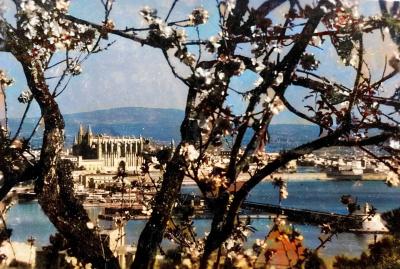
Today, visitors can see the impact of these historical practices in the lush orchards and fertile fields that dot the island. Traditional crops such as almonds, olives, and citrus fruits have deep roots in Arab agricultural heritage, and they remain staples of Mallorca's agricultural output. The island's famous almond blossoms in spring are a beautiful reminder of this legacy, and local markets abound with products derived from these ancient techniques, such as oil, honey, and various preserves. Additionally, many farmers still use traditional methods of cultivation, which not only honor the past but also promote sustainable practices that resonate with modern environmental concerns.
The enduring influence of Arab agricultural practices can also be seen in Mallorca's culinary traditions. Dishes that feature locally sourced ingredients, such as pa amb oli (bread with oil, tomato, and cheese) or ensaimada (a sweet pastry), reflect the island's agricultural bounty. By embracing these time-honored practices, contemporary Mallorca continues to celebrate its rich heritage while ensuring the sustainability of its agricultural landscape. Thus, the legacy of the Moors has not only shaped the physical landscape of Mallorca but has also ingrained itself into the cultural identity of the island, making it a fascinating destination for those interested in history, agriculture, and gastronomy.
Today, visitors can see the impact of these historical practices in the lush orchards and fertile fields that dot the island. Traditional crops such as almonds, olives, and citrus fruits have deep roots in Arab agricultural heritage, and they remain staples of Mallorca's agricultural output. The island's famous almond blossoms in spring are a beautiful reminder of this legacy, and local markets abound with products derived from these ancient techniques, such as oil, honey, and various preserves. Additionally, many farmers still use traditional methods of cultivation, which not only honor the past but also promote sustainable practices that resonate with modern environmental concerns.
The enduring influence of Arab agricultural practices can also be seen in Mallorca's culinary traditions. Dishes that feature locally sourced ingredients, such as pa amb oli (bread with oil, tomato, and cheese) or ensaimada (a sweet pastry), reflect the island's agricultural bounty. By embracing these time-honored practices, contemporary Mallorca continues to celebrate its rich heritage while ensuring the sustainability of its agricultural landscape. Thus, the legacy of the Moors has not only shaped the physical landscape of Mallorca but has also ingrained itself into the cultural identity of the island, making it a fascinating destination for those interested in history, agriculture, and gastronomy.

More Fotos