What role did the sea and trade play in the history of Palma de Mallorca?
Similar Topics
Palma de Mallorca history
Mediterranean trade
Majorca tourism
Palma Cathedral
Mallorca beaches
cultural exchange
historical landmarks
Mediterranean market
Palma maritime heritage
textile trade
The sea and trade have been integral to the history of Palma de Mallorca, shaping its development and culture over centuries. Located in the heart of the Mediterranean, Palma has always served as a strategic port, facilitating commerce and cultural exchange between different civilizations. The island's natural harbor enabled early settlers to establish trade routes with neighboring regions, including North Africa and the Italian coast. This maritime activity not only brought wealth to the island but also introduced a variety of influences, from architecture to cuisine, enriching the local culture.
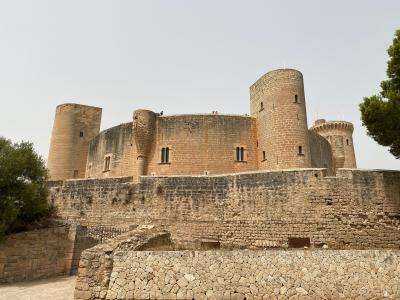
During the Middle Ages, Palma became a significant trading hub, particularly under the rule of the Kingdom of Majorca. The city flourished as merchants engaged in the trade of goods such as textiles, wine, and olive oil, connecting the island to the wider Mediterranean market. The wealth generated through trade allowed for the construction of impressive landmarks, including the stunning Cathedral of Santa María, which stands as a testament to the island's prosperous past. Additionally, the strategic importance of Palma made it a focal point for various powers, leading to a rich tapestry of history marked by conquests and cultural exchanges.
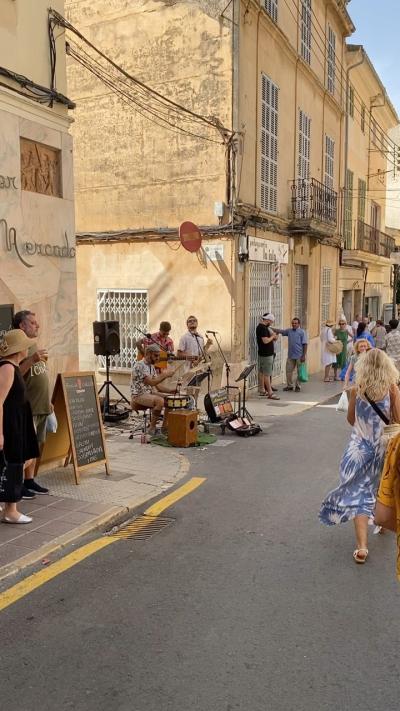
In more recent times, the role of the sea in Palma’s economy has evolved, with tourism becoming a significant driver. The picturesque coastline and beautiful beaches attract millions of visitors each year, and the city's maritime heritage is celebrated through various festivals and events. The port continues to be a vital link for both passenger and freight transport, maintaining the city's long-standing relationship with the sea. As you stroll through Palma today, you can feel the echoes of its storied past in the vibrant markets and bustling waterfront, where the spirit of trade and the allure of the Mediterranean continue to thrive.

Palma
More Fotos