What traditional pottery techniques do artisans on Mallorca use?
Similar Topics
mallorca pottery
traditional techniques
hand-building clay
wheel throwing pottery
artisans manacor
serra de tramuntana
local glazing
palma workshops
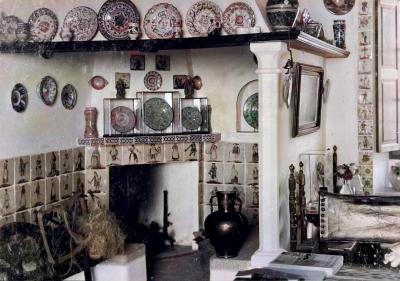
In towns like Manacor and smaller villages tucked in the Serra de Tramuntana, potters keep centuries-old traditions alive through their craft. One common approach involves hand-building methods such as coil and slab construction, where long, rolled ropes of clay or flat sheets are shaped and joined to form unique vessels. This tactile process lends a natural, organic quality, reflecting the island’s earthy roots and the potters’ individual creativity.
Wheel throwing remains another key technique, especially favored in studios around Palma and Soller. Using a potter’s wheel, artisans create symmetrical and finely detailed pieces, from bowls to flowerpots, often incorporating local clay rich in iron, which imparts warm reddish hues. Glazing varies widely too, with dipping and brushing used to produce finishes inspired by the Mediterranean landscape—sometimes matte, sometimes glossy. Traditional wood-fired kilns still accompany modern electric ones in some workshops, each adding distinctive effects to the final result.
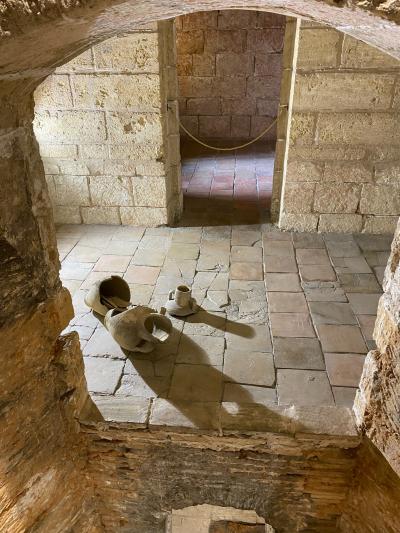
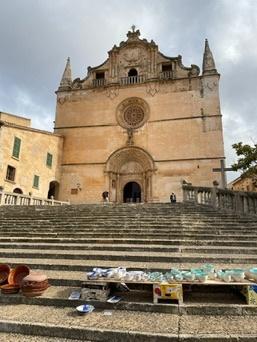
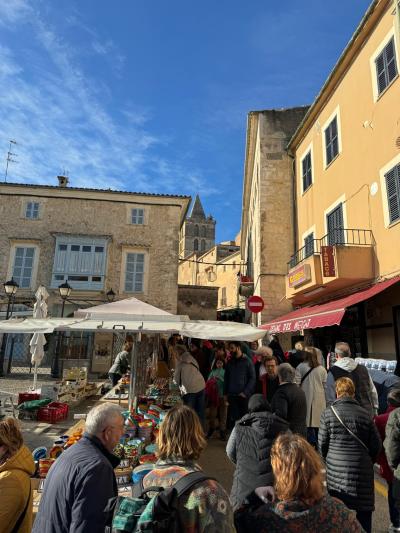
Designs frequently draw on Mallorca’s cultural heritage, featuring motifs echoing ancient Talaiotic symbols or the island’s flora and fauna. Visiting local workshops, especially during markets or events such as the Sant Sebastia festival in Palma, offers a rare chance to see these crafting techniques firsthand and understand the stories pottery tells. Supporting these artisans connects visitors with the vibrant traditions that define this island beyond its beaches and mountains.
Wheel throwing remains another key technique, especially favored in studios around Palma and Soller. Using a potter’s wheel, artisans create symmetrical and finely detailed pieces, from bowls to flowerpots, often incorporating local clay rich in iron, which imparts warm reddish hues. Glazing varies widely too, with dipping and brushing used to produce finishes inspired by the Mediterranean landscape—sometimes matte, sometimes glossy. Traditional wood-fired kilns still accompany modern electric ones in some workshops, each adding distinctive effects to the final result.
Designs frequently draw on Mallorca’s cultural heritage, featuring motifs echoing ancient Talaiotic symbols or the island’s flora and fauna. Visiting local workshops, especially during markets or events such as the Sant Sebastia festival in Palma, offers a rare chance to see these crafting techniques firsthand and understand the stories pottery tells. Supporting these artisans connects visitors with the vibrant traditions that define this island beyond its beaches and mountains.
More Fotos


Related Questions
Related Question
What other types of cuisine can I find besides traditional Mallorcan dishes on the island?
Related Question
How do restaurants around Palma and Soller typically source their ingredients, and are they locally produced?
Related Question
Are there any festivals or events on the island that highlight olive wood craftsmanship?