Are there traditional Mallorcan dishes that families typically pass down through generations?
Similar Topics
pa amb oli
sobrassada
tumbet
ensaimada
binissalem wine
hierbas liqueur
serra de tramuntana
festa de l'ametler
Late afternoons in villages like Valldemossa or Deià often find kitchens filled with the warm aroma of family recipes simmering on the stove, handed down through generations. Recipes such as tumbet—a vibrant vegetable casserole layered with aubergines, red peppers, and potatoes—are cherished staples, accompanied by slices of rustic pa amb oli, the island’s celebrated bread rubbed with tomato and drizzled with olive oil. These dishes are not just food but living links to Mallorcan culture, served during gatherings that mix storytelling with the clink of Hierbas or Palo liqueur glasses.
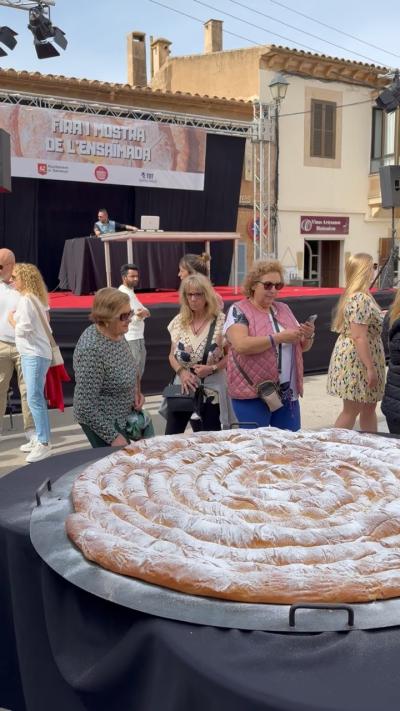
Many families take pride in making their own sobrassada, a spiced cured sausage distinctive to the Balearics, with each household adding subtle variations in seasoning or texture. Baking ensaimadas, the sweet spiral pastries dusted with powdered sugar, is another venerable tradition, especially around festivals like Sant Sebastià in Palma or the Festa de l’Ametler in the Tramuntana foothills. These recipes survive through shared moments and hands-on teaching, usually beginning in childhood, reinforcing a deep sense of place and belonging.
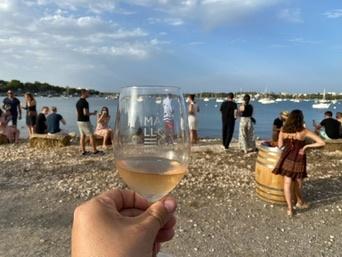
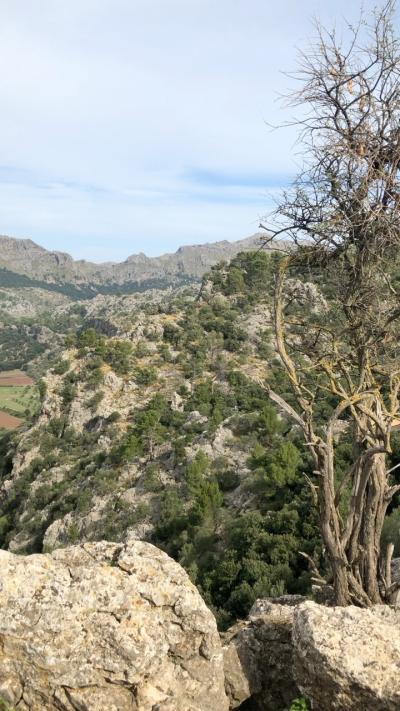
From rural towns to coastal villages like Port de Pollença, the commitment to preserving culinary heritage is evident. Families still prepare their own Binissalem wine or gather for Sunday meal traditions, serving slow-cooked lamb or fish alongside freshly harvested local produce. Each recipe carries stories — of autumn olive harvests, festive celebrations like the Nit de Foc, or peaceful mornings on the Ma-13 winding through Serra de Tramuntana. This enduring culinary legacy is one of the island’s richest treasures, flavored by time and tender care.
Many families take pride in making their own sobrassada, a spiced cured sausage distinctive to the Balearics, with each household adding subtle variations in seasoning or texture. Baking ensaimadas, the sweet spiral pastries dusted with powdered sugar, is another venerable tradition, especially around festivals like Sant Sebastià in Palma or the Festa de l’Ametler in the Tramuntana foothills. These recipes survive through shared moments and hands-on teaching, usually beginning in childhood, reinforcing a deep sense of place and belonging.
From rural towns to coastal villages like Port de Pollença, the commitment to preserving culinary heritage is evident. Families still prepare their own Binissalem wine or gather for Sunday meal traditions, serving slow-cooked lamb or fish alongside freshly harvested local produce. Each recipe carries stories — of autumn olive harvests, festive celebrations like the Nit de Foc, or peaceful mornings on the Ma-13 winding through Serra de Tramuntana. This enduring culinary legacy is one of the island’s richest treasures, flavored by time and tender care.
More Fotos