How do residents of Mallorca express their cultural heritage through traditional dance and music?
Similar Topics
mallorca dance
mallorca music
ball de bot
xeremia
sant sebastia festival
tramuntana traditions
nit de foc
mallorca folk
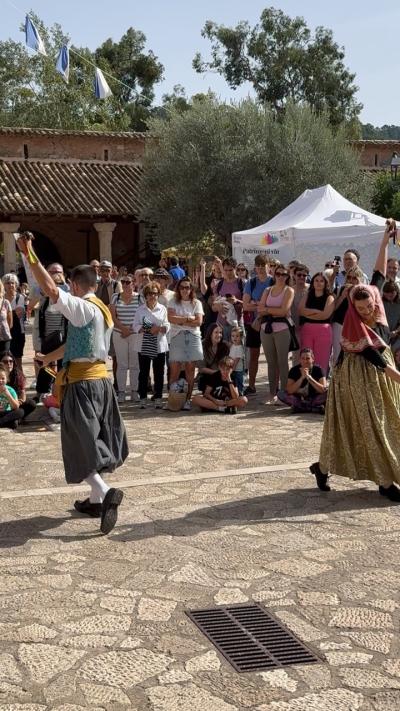
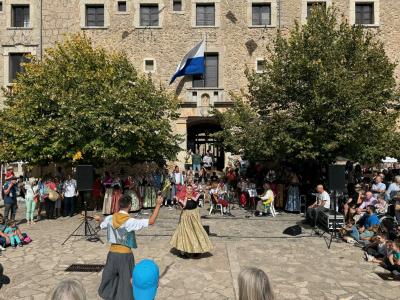
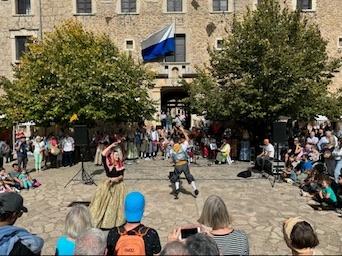
On this island, cultural heritage is vividly kept alive through music and dance, especially during local fiestas and community gatherings. In towns like Palma and Pollenca, you’ll often find traditional folk groups performing dances such as the Ball de Bot, where men and women in colorful costumes move to the lively rhythms that echo the island’s agrarian past. These dances often depict stories about local legends or the natural beauty of the Tramuntana mountains. The intricate footwork and group formations highlight a strong sense of communal pride and continuity, passed down through generations.
Music remains at the heart of these celebrations, with musicians playing traditional instruments like the xeremia (Mallorcan bagpipe) and the flabiol, a small flute. The addition of guitars and percussion rounds out the sound, inviting everyone to join in the festive spirit. Events like the Sant Sebastià festival in Palma showcase this beautifully, with concerts spilling out onto the streets and impromptu dance sessions linking locals and visitors alike. Local dances and songs are also taught to younger generations at village schools and cultural centers, ensuring these customs adapt but never fade.
Throughout the year, numerous festivities provide the perfect stage for these artistic traditions to shine. Whether during the almond blossom celebrations in the Serra de Tramuntana or the fiery Nit de Foc festival in Palma, music and dance are inseparable from the island’s identity. Visitors who take part will find not only an entertaining spectacle but an invitation into the islanders' world—a living dialogue between past and present that enriches any stay here.
Music remains at the heart of these celebrations, with musicians playing traditional instruments like the xeremia (Mallorcan bagpipe) and the flabiol, a small flute. The addition of guitars and percussion rounds out the sound, inviting everyone to join in the festive spirit. Events like the Sant Sebastià festival in Palma showcase this beautifully, with concerts spilling out onto the streets and impromptu dance sessions linking locals and visitors alike. Local dances and songs are also taught to younger generations at village schools and cultural centers, ensuring these customs adapt but never fade.
Throughout the year, numerous festivities provide the perfect stage for these artistic traditions to shine. Whether during the almond blossom celebrations in the Serra de Tramuntana or the fiery Nit de Foc festival in Palma, music and dance are inseparable from the island’s identity. Visitors who take part will find not only an entertaining spectacle but an invitation into the islanders' world—a living dialogue between past and present that enriches any stay here.
More Fotos





Related Questions
Related Question
What is the typical price range for hotels around Palma and other popular Mallorca towns?
Related Question
Do the wellness centers in Sa Coma have any special packages for couples?
Related Question
Are there any events or activities that take place on hotel rooftop terraces in Palma City?