How has the history of Llucmajor influenced its architecture?
Similar Topics
Llucmajor history
Mallorca architecture
Gothic buildings
Renaissance style
Church of San Miguel
historic windmills
agricultural heritage
Mediterranean architecture
stone buildings
cultural identity
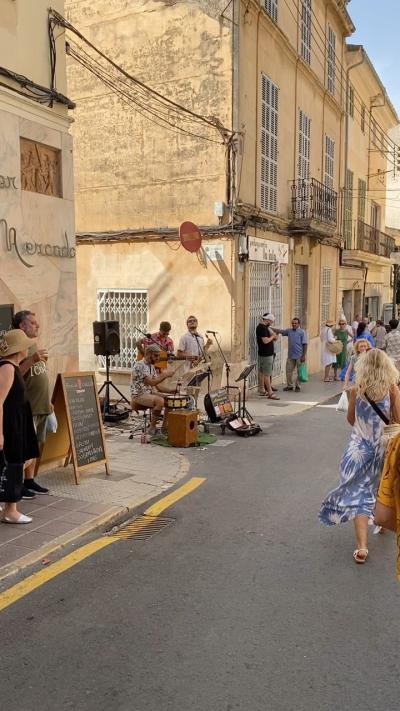
Llucmajor, a charming town in Mallorca, has a rich history that significantly influences its architecture. Founded in the 13th century, it became a strategic location due to its proximity to the coast and fertile lands. The town’s medieval roots are still visible today, with narrow streets and humble stone buildings that reflect the simplicity and functionality of the era. The historical significance of Llucmajor as a center for agriculture and trade is evident in its architecture, where you can find elements that showcase the agricultural heritage, such as traditional farmhouses and rustic structures that once housed livestock.
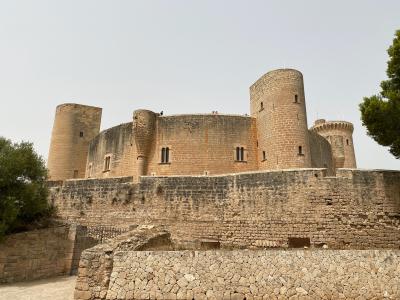
As you wander through Llucmajor, you will encounter a blend of Gothic and Renaissance architectural styles, particularly evident in the Church of San Miguel. This striking building, completed in the 18th century, showcases the transition from Gothic to Baroque influences, reflecting the town's economic growth and cultural evolution over the centuries. The use of local materials, like limestone and sandstone, not only gives the buildings a sense of place but also tells the story of the resources that have shaped the community. Various renovations and restorations throughout the years have further added layers to Llucmajor’s architectural tapestry, making it a fascinating study in how history and culture intersect.
In addition to its religious architecture, Llucmajor is home to several historic windmills, which are a testament to the town’s agricultural past. These windmills were once essential for grinding grain and have become iconic symbols of the area. Their distinctive silhouettes against the Mediterranean backdrop are a reminder of the industrious spirit of the people who have called Llucmajor home for generations. Overall, the architectural landscape of Llucmajor is a vivid reflection of its historical journey, showcasing how the town has adapted and thrived while preserving its unique cultural identity.
As you wander through Llucmajor, you will encounter a blend of Gothic and Renaissance architectural styles, particularly evident in the Church of San Miguel. This striking building, completed in the 18th century, showcases the transition from Gothic to Baroque influences, reflecting the town's economic growth and cultural evolution over the centuries. The use of local materials, like limestone and sandstone, not only gives the buildings a sense of place but also tells the story of the resources that have shaped the community. Various renovations and restorations throughout the years have further added layers to Llucmajor’s architectural tapestry, making it a fascinating study in how history and culture intersect.
In addition to its religious architecture, Llucmajor is home to several historic windmills, which are a testament to the town’s agricultural past. These windmills were once essential for grinding grain and have become iconic symbols of the area. Their distinctive silhouettes against the Mediterranean backdrop are a reminder of the industrious spirit of the people who have called Llucmajor home for generations. Overall, the architectural landscape of Llucmajor is a vivid reflection of its historical journey, showcasing how the town has adapted and thrived while preserving its unique cultural identity.
Palma
More Fotos