What unique adaptations does the Balearic midwife toad have for survival in its environment?
Similar Topics
Balearic midwife toad
amphibian adaptations
Mediterranean climate
nocturnal toads
rocky habitats
egg protection
camouflage in nature
survival strategies
desiccation tolerance
Balearic Islands wildlife
The Balearic midwife toad, native to the Balearic Islands of Spain, showcases fascinating adaptations that enhance its survival in a somewhat challenging environment. One of the most remarkable features of this amphibian is its reproductive strategy. Unlike many other toad species, the male Balearic midwife toad carries fertilized eggs wrapped around his hind legs, providing protection and a moist environment for the developing embryos. This unique adaptation not only helps ensure a higher survival rate for the eggs but also allows the males to guard the eggs from potential predators while still being mobile.
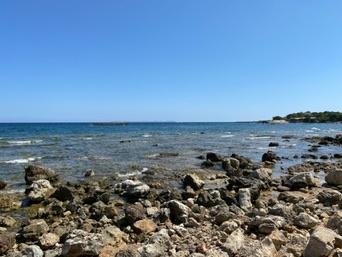
Furthermore, this toad has developed a distinct ability to thrive in its dry, rocky habitats. To cope with the limited availability of water, the Balearic midwife toad has evolved to be more tolerant of desiccation. This means that it can withstand periods of drought, which is crucial for survival in its Mediterranean climate. The toad is also primarily nocturnal, which helps it avoid the daytime heat and reduces water loss. By being active at night, it can hunt for insects and other small invertebrates while minimizing exposure to dehydration.
The Balearic midwife toad's coloration also plays a role in its survival, as its mottled brown and green skin helps it blend seamlessly into its rocky surroundings. This camouflage is essential for avoiding predators during both its terrestrial and aquatic phases of life. Additionally, its ability to adapt to different microhabitats within the Balearic Islands has allowed it to survive in various environmental conditions, showcasing the resilience and versatility of this unique amphibian. As you explore the natural beauty of the Balearic Islands, keep an eye out for these remarkable creatures and appreciate their incredible adaptations that allow them to thrive in such a dynamic ecosystem.
Furthermore, this toad has developed a distinct ability to thrive in its dry, rocky habitats. To cope with the limited availability of water, the Balearic midwife toad has evolved to be more tolerant of desiccation. This means that it can withstand periods of drought, which is crucial for survival in its Mediterranean climate. The toad is also primarily nocturnal, which helps it avoid the daytime heat and reduces water loss. By being active at night, it can hunt for insects and other small invertebrates while minimizing exposure to dehydration.
The Balearic midwife toad's coloration also plays a role in its survival, as its mottled brown and green skin helps it blend seamlessly into its rocky surroundings. This camouflage is essential for avoiding predators during both its terrestrial and aquatic phases of life. Additionally, its ability to adapt to different microhabitats within the Balearic Islands has allowed it to survive in various environmental conditions, showcasing the resilience and versatility of this unique amphibian. As you explore the natural beauty of the Balearic Islands, keep an eye out for these remarkable creatures and appreciate their incredible adaptations that allow them to thrive in such a dynamic ecosystem.
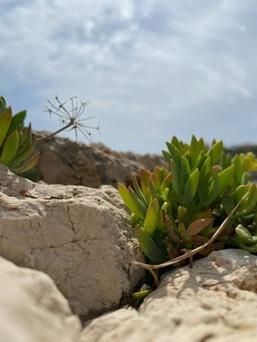
Cala Santanyí
More Fotos