How have Mallorca's historic buildings, such as those in Palma and Valldemossa, been preserved over the years?
Similar Topics
historic buildings
palma cathedral
valldemossa
building restoration
tramuntana villages
cultural heritage
architectural preservation
heritage tours
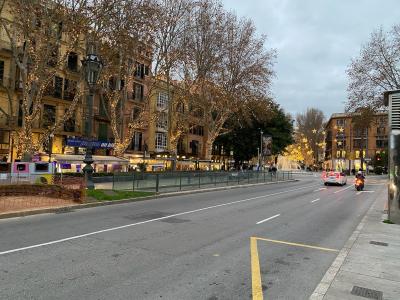
Many of the island’s historic structures originate from periods when Mallorca was a key Mediterranean hub, drawing influences from Romans, Moors, and Catalans. Efforts to preserve these buildings reflect a deep respect for this layered heritage. In towns like Palma, the Gothic grandeur of La Seu cathedral and the old stone walls of Bellver Castle are cared for with traditional materials and expert craftsmanship, ensuring their character remains intact.
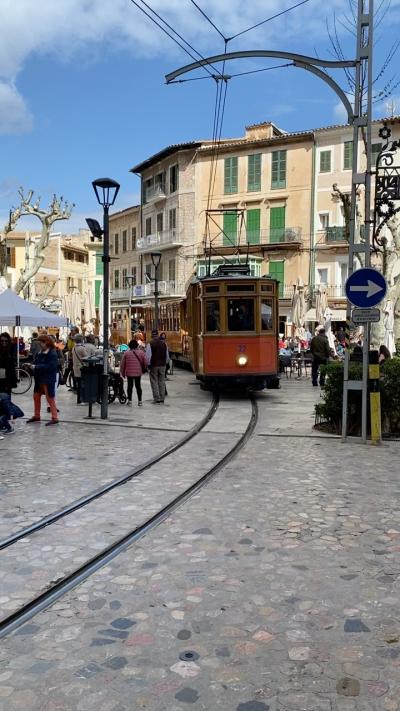
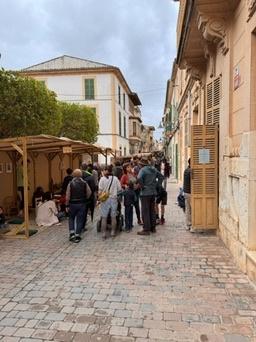
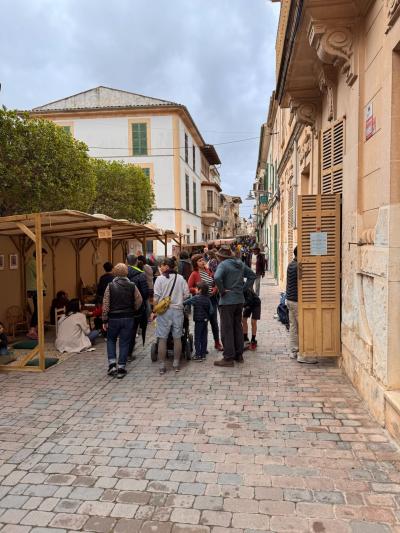
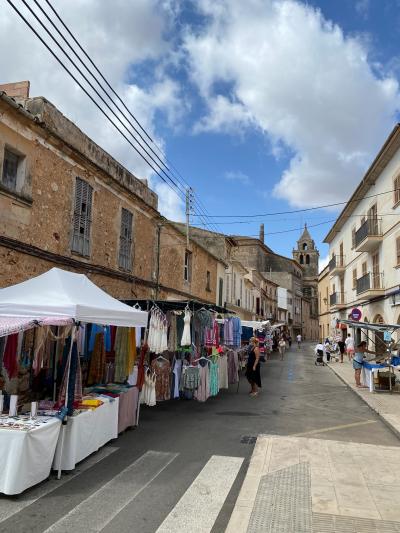
Smaller villages such as Valldemossa and Deia showcase stone houses with wooden shutters and wrought-iron balconies that have been restored sensitively. Preservation here often involves collaboration between local authorities and communities who recognise how important these buildings are to cultural identity and tourism. Regulations limit inappropriate alterations, while grants support restorations that use period-appropriate techniques.
Beyond official works, residents and associations frequently engage in conservation through volunteer programmes, educational events, and guided heritage walks. Alongside impressive sites in Palma, visitors can explore quieter corners where plaques and information boards tell stories of the island’s past. This ongoing commitment not only protects these landmarks but also weaves the living history of the past into everyday life for locals and visitors alike.
Smaller villages such as Valldemossa and Deia showcase stone houses with wooden shutters and wrought-iron balconies that have been restored sensitively. Preservation here often involves collaboration between local authorities and communities who recognise how important these buildings are to cultural identity and tourism. Regulations limit inappropriate alterations, while grants support restorations that use period-appropriate techniques.
Beyond official works, residents and associations frequently engage in conservation through volunteer programmes, educational events, and guided heritage walks. Alongside impressive sites in Palma, visitors can explore quieter corners where plaques and information boards tell stories of the island’s past. This ongoing commitment not only protects these landmarks but also weaves the living history of the past into everyday life for locals and visitors alike.

More Fotos