What is the history and architectural significance of the Son Marroig estate near Deia?
Similar Topics
son marroig
deia estate
tramuntana architecture
archduke ludwig salvator
mallorca country house
balearic heritage
deia views
mallorca historic villas
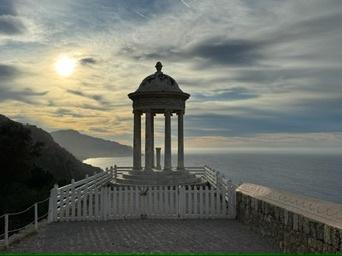
Nestled on the rugged coastline above the village of Deia, Son Marroig is a striking example of 19th-century Mallorcan country architecture that embodies the island’s romantic past. Originally the summer residence of Archduke Ludwig Salvator of Austria, the estate was designed to blend harmoniously with its stunning natural surroundings, perched on cliffs overlooking the Mediterranean Sea. Its architecture combines traditional stonework with large terraces and Mediterranean influences, creating an elegant yet rustic retreat that captured the 19th-century European fascination with Mallorca’s wild beauty.
The archduke, a noted naturalist and writer, played a key role in promoting the cultural and environmental heritage of the Tramuntana mountains. The villa’s interiors, while modest compared to grand European palaces, offer a window into his life, filled with artifacts, maps, and personal collections that reflect his deep connection to this corner of the island. Gardens around Son Marroig feature indigenous plants and paths that descend towards the sea, reinforcing the estate’s sense of quiet contemplation and respect for nature.
Over time, Son Marroig has become a symbol of Mallorca’s unique blend of history, culture, and landscape. Visitors often come not only to admire the architecture but also to enjoy the panoramic views across the Serra de Tramuntana and to walk the surrounding coastal paths once frequented by the archduke. The estate remains a testament to a period when Mallorca was recognized as a haven for artists, intellectuals, and aristocrats seeking both inspiration and respite.
The archduke, a noted naturalist and writer, played a key role in promoting the cultural and environmental heritage of the Tramuntana mountains. The villa’s interiors, while modest compared to grand European palaces, offer a window into his life, filled with artifacts, maps, and personal collections that reflect his deep connection to this corner of the island. Gardens around Son Marroig feature indigenous plants and paths that descend towards the sea, reinforcing the estate’s sense of quiet contemplation and respect for nature.
Over time, Son Marroig has become a symbol of Mallorca’s unique blend of history, culture, and landscape. Visitors often come not only to admire the architecture but also to enjoy the panoramic views across the Serra de Tramuntana and to walk the surrounding coastal paths once frequented by the archduke. The estate remains a testament to a period when Mallorca was recognized as a haven for artists, intellectuals, and aristocrats seeking both inspiration and respite.

Deià
More Fotos