What are the differences between the olive oils produced in Mallorca and those from other regions?
Similar Topics
Mallorca olive oil
Mediterranean climate
Arbequina olives
Mallorquina olives
artisanal production
cold pressing
olive oil tasting
local farms Mallorca
culinary scene Mallorca
sustainable agriculture
Mallorca is renowned for its unique olive oils, which set themselves apart from those produced in other regions through a combination of climate, olive varieties, and traditional production methods. The Mediterranean climate of Mallorca, characterized by warm summers and mild winters, creates an ideal environment for olive cultivation, allowing the olives to develop rich flavors. The island primarily grows native varieties such as Arbequina and Mallorquina, which tend to yield oils that are fruity, aromatic, and often have a gentle peppery finish. In contrast, other regions, like Tuscany in Italy or Andalusia in Spain, might use different olive varieties that can produce oils with bolder, more robust flavors, often characterized by a stronger bitterness and spiciness.
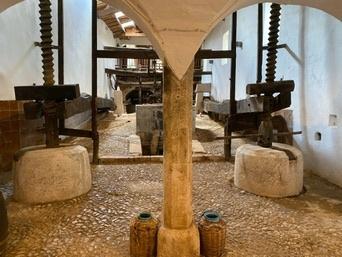
Moreover, the traditional methods of production in Mallorca contribute significantly to the distinctiveness of its olive oils. Many local producers still rely on artisanal techniques, such as cold pressing, which helps preserve the natural flavors and health benefits of the oil. This contrasts with some larger-scale producers in other regions who may use more industrialized processes that can alter the taste and quality of the final product. Additionally, the emphasis on small-scale, family-run farms in Mallorca fosters a deep connection between the producers and the land, leading to a passionate commitment to quality and sustainability that often shines through in the oils.
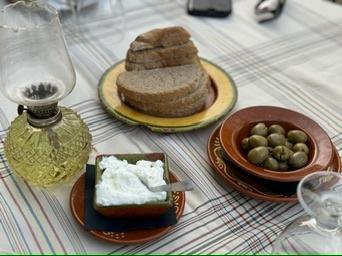
When visiting Mallorca, taking the time to explore local olive oil mills can offer a fascinating insight into this craft. Many of these mills provide tastings and tours, allowing you to sample the fresh oils alongside local bread and dishes, highlighting the versatility and richness of the island’s culinary scene. Engaging with local producers not only enhances your understanding of the flavors but also supports the preservation of traditional practices that define Mallorca's unique olive oil heritage.
Moreover, the traditional methods of production in Mallorca contribute significantly to the distinctiveness of its olive oils. Many local producers still rely on artisanal techniques, such as cold pressing, which helps preserve the natural flavors and health benefits of the oil. This contrasts with some larger-scale producers in other regions who may use more industrialized processes that can alter the taste and quality of the final product. Additionally, the emphasis on small-scale, family-run farms in Mallorca fosters a deep connection between the producers and the land, leading to a passionate commitment to quality and sustainability that often shines through in the oils.
When visiting Mallorca, taking the time to explore local olive oil mills can offer a fascinating insight into this craft. Many of these mills provide tastings and tours, allowing you to sample the fresh oils alongside local bread and dishes, highlighting the versatility and richness of the island’s culinary scene. Engaging with local producers not only enhances your understanding of the flavors but also supports the preservation of traditional practices that define Mallorca's unique olive oil heritage.

Caimari
More Fotos