What traditional dishes and drinks should I try while visiting Palma and the surrounding areas?
Similar Topics
pa amb oli
sobrassada
ensaimada
binissalem wine
hierbas
tumbet
sant sebastià festival
palo wine
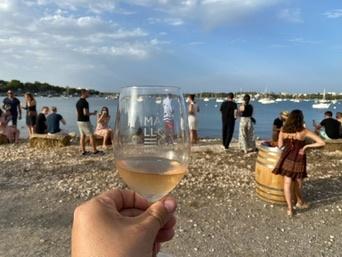
Deciding between the bustling streets of Palma and the tranquil villages nestled in the Serra de Tramuntana sets the tone for exploring the island’s culinary heritage. In Palma, local markets and cafés buzz with activity, serving up hearty pa amb oli—rustic bread rubbed with ripe tomatoes and drizzled with olive oil, often accompanied by slices of spicy sobrassada or local cheese. This simple yet satisfying snack captures the essence of Mallorcan flavors and pairs wonderfully with a glass of Binissalem wine from the nearby vineyards.
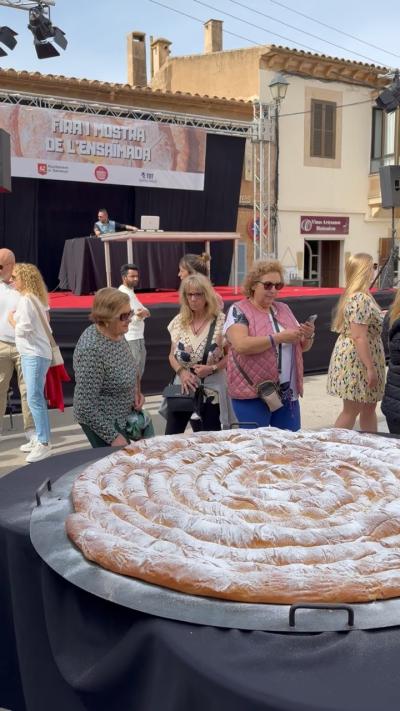
Heading into smaller towns like Sóller or Deià offers a more intimate taste of island life. Traditional dishes such as tumbet, a vegetable medley layered like a ratatouille and baked with olive oil and tomato, reflect the island’s agricultural roots. Bakery specialties like the delicate ensaimada—light, spiral-shaped pastries dusted with powdered sugar—are a must-try, best enjoyed with a cup of strong local coffee or a sip of Hierbas, a fragrant herbal liqueur typically served after meals.
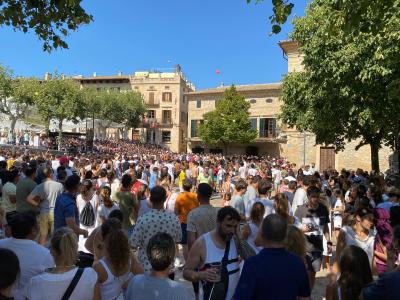
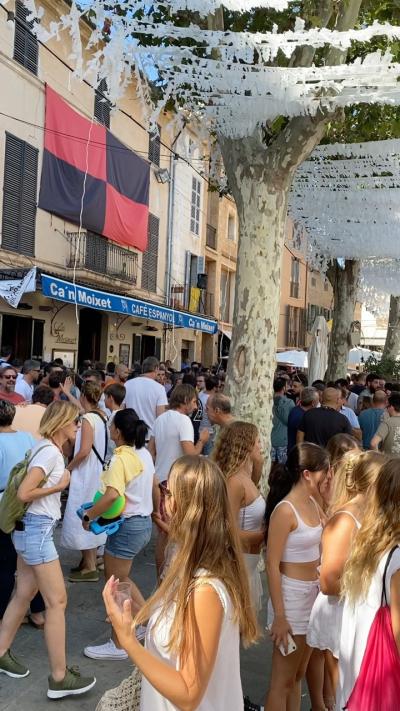
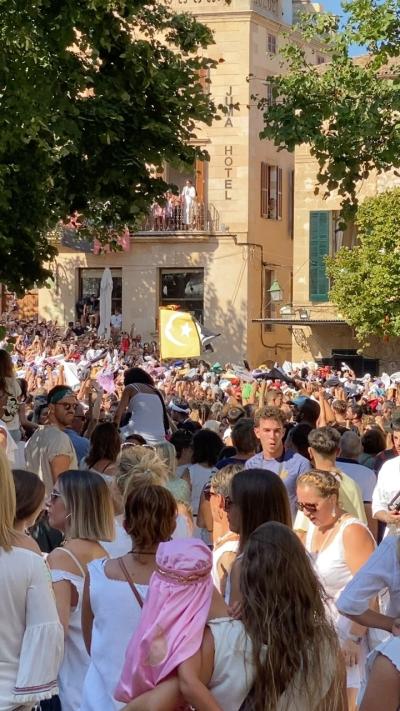
Coastal towns like Alcúdia and Port de Pollença showcase fresh seafood prepared simply but expertly, often grilled or baked alongside Mallorcan potatoes. Seasonal events such as the festival of Sant Sebastià in Palma highlight the cultural importance of local cuisine with street stalls selling everything from grilled meats to traditional sweets. Sampling Palo, a bittersweet fortified wine native to the island, offers a distinctive finish to any meal. Whether dining in a seaside chiringuito by Cala Mondragó or a rustic inn in Valldemossa, the island’s culinary offerings are a melodious blend of land, sea, and heritage.
Heading into smaller towns like Sóller or Deià offers a more intimate taste of island life. Traditional dishes such as tumbet, a vegetable medley layered like a ratatouille and baked with olive oil and tomato, reflect the island’s agricultural roots. Bakery specialties like the delicate ensaimada—light, spiral-shaped pastries dusted with powdered sugar—are a must-try, best enjoyed with a cup of strong local coffee or a sip of Hierbas, a fragrant herbal liqueur typically served after meals.
Coastal towns like Alcúdia and Port de Pollença showcase fresh seafood prepared simply but expertly, often grilled or baked alongside Mallorcan potatoes. Seasonal events such as the festival of Sant Sebastià in Palma highlight the cultural importance of local cuisine with street stalls selling everything from grilled meats to traditional sweets. Sampling Palo, a bittersweet fortified wine native to the island, offers a distinctive finish to any meal. Whether dining in a seaside chiringuito by Cala Mondragó or a rustic inn in Valldemossa, the island’s culinary offerings are a melodious blend of land, sea, and heritage.
More Fotos