What kinds of plants and flowers are commonly found in Mallorca's gardens?
Similar Topics
mallorca plants
mediterranean garden
lavender rosemary
bougainvillea
olive trees
citrus trees
tramuntana wildflowers
fig trees
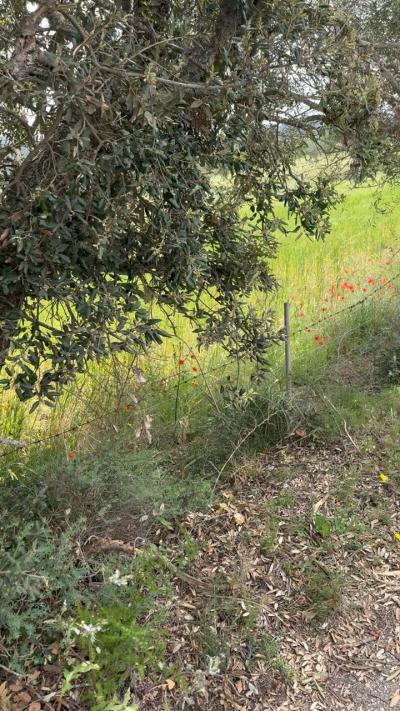
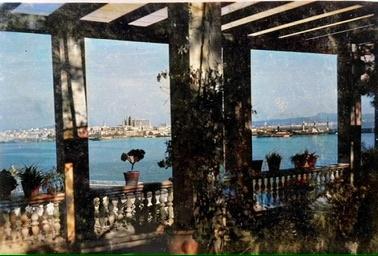
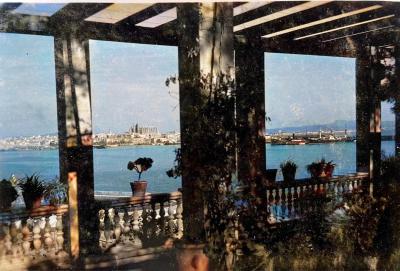
Many visitors arrive expecting lush, green gardens like those in northern Europe, but Mallorca’s flora tells a different, Mediterranean story. The island’s gardens typically showcase drought-resistant plants that thrive under the bright sun and dry summers. Olive trees, fragrant rosemary, and thick lavender bushes are staples, filling the air with a familiar herbal aroma that’s integral to local life.
Alongside these, visitors often spot bougainvillea cascading over whitewashed walls, their vivid pinks and purples providing sharp bursts of colour. Citrus trees, including oranges and lemons, are scattered throughout gardens, occasionally mingling with aloe vera and prickly pear cacti, which handle the rocky soil and heat well. Seasonal wildflowers also appear, especially in the Tramuntana foothills, with delicate mallorquin daisies and marigolds brightening paths during spring.
Traditional terraces around villages like Valldemossa or Deià often include pomegranate and fig trees, integral to local cuisine and culture. Many gardens pay homage to native plants, integrating Mediterranean pines and holm oaks, whose twisted forms add sculptural interest. The blend of hardy shrubs, aromatic herbs, and sunshine-loving blooms creates a relaxed yet rich botanical experience, perfectly reflecting the island’s rugged charm and agricultural heritage.
Alongside these, visitors often spot bougainvillea cascading over whitewashed walls, their vivid pinks and purples providing sharp bursts of colour. Citrus trees, including oranges and lemons, are scattered throughout gardens, occasionally mingling with aloe vera and prickly pear cacti, which handle the rocky soil and heat well. Seasonal wildflowers also appear, especially in the Tramuntana foothills, with delicate mallorquin daisies and marigolds brightening paths during spring.
Traditional terraces around villages like Valldemossa or Deià often include pomegranate and fig trees, integral to local cuisine and culture. Many gardens pay homage to native plants, integrating Mediterranean pines and holm oaks, whose twisted forms add sculptural interest. The blend of hardy shrubs, aromatic herbs, and sunshine-loving blooms creates a relaxed yet rich botanical experience, perfectly reflecting the island’s rugged charm and agricultural heritage.

More Fotos

Related Questions
Related Question
What kinds of activities do family-friendly hotels around Palma and Soller offer to keep children entertained?
Related Question
Are local taxis or ride-sharing services easy to use for getting around Palma and nearby towns?
Related Question
How far is Dragonera Island from the Universal Beach Club Aquamarin?