What was the historical significance of the coastal defense towers around Mallorca?
Similar Topics
coastal defense
mallorca towers
mediterranean piracy
serra de tramuntana
palma history
formentor watchtowers
mediterranean conflicts
historic fortifications
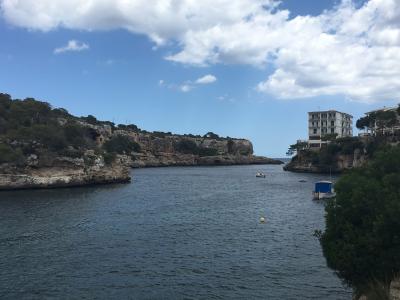
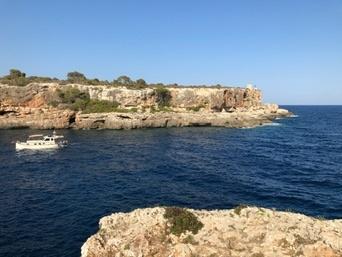
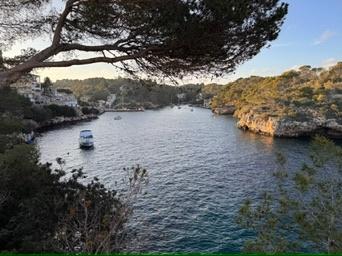
Many of the island’s signature coastal towers date back to periods when pirate raids and foreign invasions were constant threats. Positioned along the shoreline—from the rugged coves near Formentor to the quieter bays by Cala Llombards—these towers were part of a protective network designed to detect and warn of approaching danger. Locals relied on signals like smoke or fire to communicate rapidly between towers and inland communities such as Palma and Alcudia, offering critical time to prepare defenses or seek refuge.
Built primarily from local stone, the towers blended into the landscape and could house small garrisons equipped to hold off attackers until reinforcements arrived. During the turbulent era of Mediterranean piracy and conflicts in the 16th and 17th centuries, they played a vital role in safeguarding coastal settlements and trading activities that were essential to the island’s economy. The strategic placement along key maritime routes ensured that islands like this were less vulnerable to raids, which were frequent before the establishment of a permanent naval presence.
Over time, as the threat landscape evolved and new military technologies rendered such watchtowers less critical, many fell into disrepair. Today, some stand restored or as evocative ruins among the Serra de Tramuntana’s steep cliffs or the fertile plains that surround towns like Pollença and Manacor. Visiting these towers offers a tangible link with the island’s layered past and a reminder of how communities once coped with the dangers of the Mediterranean.
Built primarily from local stone, the towers blended into the landscape and could house small garrisons equipped to hold off attackers until reinforcements arrived. During the turbulent era of Mediterranean piracy and conflicts in the 16th and 17th centuries, they played a vital role in safeguarding coastal settlements and trading activities that were essential to the island’s economy. The strategic placement along key maritime routes ensured that islands like this were less vulnerable to raids, which were frequent before the establishment of a permanent naval presence.
Over time, as the threat landscape evolved and new military technologies rendered such watchtowers less critical, many fell into disrepair. Today, some stand restored or as evocative ruins among the Serra de Tramuntana’s steep cliffs or the fertile plains that surround towns like Pollença and Manacor. Visiting these towers offers a tangible link with the island’s layered past and a reminder of how communities once coped with the dangers of the Mediterranean.
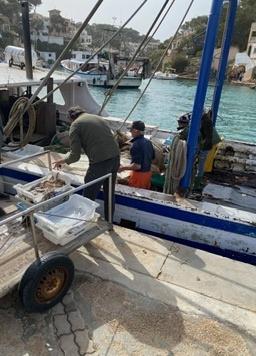
Cala Figuera
More Fotos