How has the architecture in Valldemossa changed from its founding to today?
Similar Topics
Valldemossa architecture
Mallorca history
Carthusian monastery
Mediterranean style
Baroque architecture
Neoclassical influences
historic preservation
cobblestone streets
Mallorcan elements
architectural evolution
Valldemossa, a picturesque village nestled in the Tramuntana mountain range of Mallorca, showcases a fascinating evolution of architecture that reflects its rich history. Founded in the 13th century, the village originally featured structures built in a traditional Mediterranean style, characterized by simple stonework and terracotta roofs. The early architecture was utilitarian, designed to meet the needs of a small, agrarian community. Over the centuries, as Valldemossa gained prominence, especially during the 18th and 19th centuries, the architectural landscape began to flourish with more ornate designs influenced by the Baroque and Neoclassical movements.
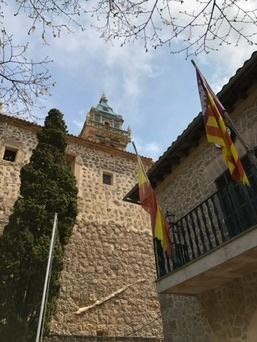
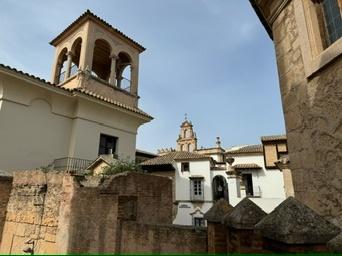
Today, the architecture in Valldemossa is a harmonious blend of historic charm and contemporary elements. Visitors can admire the stunning 14th-century Carthusian monastery, which remains a centerpiece of the village, showcasing Gothic and Renaissance features that speak to its storied past. The cobblestone streets are lined with stone houses adorned with vibrant flowers, and the façades often exhibit traditional Mallorcan elements like wooden shutters and wrought iron balconies. As the village has embraced tourism, some modern influences can be seen in renovations and new constructions that respect the aesthetic of the original architecture while accommodating contemporary comforts.
The careful preservation of Valldemossa’s architectural heritage is evident in its commitment to maintaining the village's character while allowing for gradual change. New buildings are designed to blend seamlessly with the historical landscape, ensuring that the essence of Valldemossa is not lost. This respect for history, coupled with a vibrant local culture, makes Valldemossa not only a visual delight but also a living testament to the island’s architectural evolution. Visitors can wander through its charming streets and feel the story of the village unfold, from its humble beginnings to its current status as a beloved destination.
Today, the architecture in Valldemossa is a harmonious blend of historic charm and contemporary elements. Visitors can admire the stunning 14th-century Carthusian monastery, which remains a centerpiece of the village, showcasing Gothic and Renaissance features that speak to its storied past. The cobblestone streets are lined with stone houses adorned with vibrant flowers, and the façades often exhibit traditional Mallorcan elements like wooden shutters and wrought iron balconies. As the village has embraced tourism, some modern influences can be seen in renovations and new constructions that respect the aesthetic of the original architecture while accommodating contemporary comforts.
The careful preservation of Valldemossa’s architectural heritage is evident in its commitment to maintaining the village's character while allowing for gradual change. New buildings are designed to blend seamlessly with the historical landscape, ensuring that the essence of Valldemossa is not lost. This respect for history, coupled with a vibrant local culture, makes Valldemossa not only a visual delight but also a living testament to the island’s architectural evolution. Visitors can wander through its charming streets and feel the story of the village unfold, from its humble beginnings to its current status as a beloved destination.
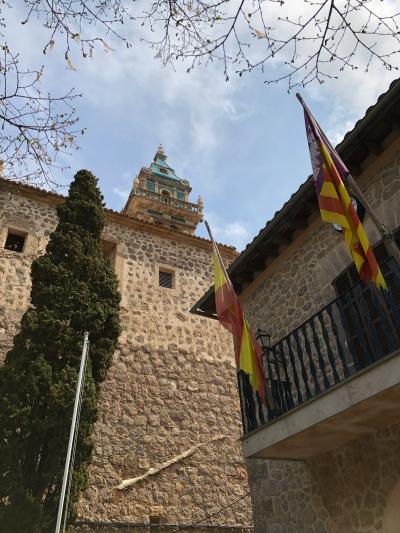
Valldemossa
More Fotos