How do the wine-making techniques in Mallorca differ from other Spanish regions?
Similar Topics
Mallorca wine
Balearic Islands wine
Manto Negro grape
Callet grape
Mediterranean winemaking
Mallorcan vineyards
indigenous grape varieties
sustainable winemaking
small-batch wines
Mallorcan wine techniques
Mallorca, the largest of the Balearic Islands, offers a unique approach to winemaking that sets it apart from other Spanish regions. One of the most notable differences is the island’s distinct climate and geography. With its Mediterranean climate, Mallorca benefits from long, hot summers and mild winters, which create ideal conditions for growing grapes. The island's diverse terrain, ranging from rugged mountains to coastal plains, allows for a variety of grape cultivation, including native varieties like Manto Negro and Callet. This diversity contributes to the distinct flavors and characteristics of Mallorcan wines, often showcasing a minerality that reflects the island's limestone and clay soils.
In contrast to regions such as Rioja or Ribera del Duero, where winemaking traditions are deeply rooted in centuries-old practices, Mallorca is experiencing a modern renaissance in its wine industry. While traditional methods are still respected, many winemakers on the island embrace innovative techniques and sustainable practices, such as organic farming and minimal intervention in the cellar. This blend of old and new results in wines that express both the region's heritage and the winemakers' creative visions. Furthermore, the relatively small scale of many vineyards means that producers can focus on high-quality, small-batch wines that often have a personal touch and a strong sense of place.
Another key aspect that differentiates Mallorcan wines is the emphasis on local varietals and blends. While regions like Priorat and Penedès are known for international grapes such as Cabernet Sauvignon and Chardonnay, Mallorca's winemakers often prioritize indigenous varieties, allowing for a distinctive expression of the island’s terroir. This focus on local grapes contributes to the unique profile of Mallorcan wines, which can range from robust reds and refreshing whites to aromatic rosés. As you explore the island's vineyards, you'll discover a rich tapestry of flavors that reflect not only the land but also the passion of the people who cultivate it.
In contrast to regions such as Rioja or Ribera del Duero, where winemaking traditions are deeply rooted in centuries-old practices, Mallorca is experiencing a modern renaissance in its wine industry. While traditional methods are still respected, many winemakers on the island embrace innovative techniques and sustainable practices, such as organic farming and minimal intervention in the cellar. This blend of old and new results in wines that express both the region's heritage and the winemakers' creative visions. Furthermore, the relatively small scale of many vineyards means that producers can focus on high-quality, small-batch wines that often have a personal touch and a strong sense of place.
Another key aspect that differentiates Mallorcan wines is the emphasis on local varietals and blends. While regions like Priorat and Penedès are known for international grapes such as Cabernet Sauvignon and Chardonnay, Mallorca's winemakers often prioritize indigenous varieties, allowing for a distinctive expression of the island’s terroir. This focus on local grapes contributes to the unique profile of Mallorcan wines, which can range from robust reds and refreshing whites to aromatic rosés. As you explore the island's vineyards, you'll discover a rich tapestry of flavors that reflect not only the land but also the passion of the people who cultivate it.
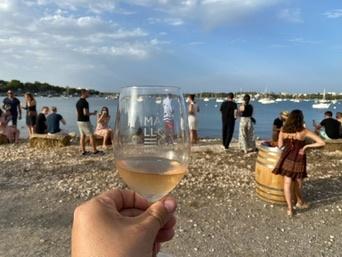
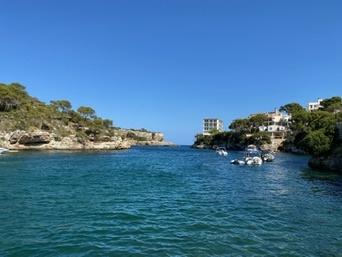
Cala Marçal
More Fotos