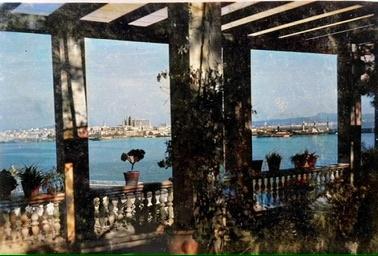
What kind of plants and trees might I see when walking through a traditional Mallorcan finca?
Similar Topics
mallorca finca plants
olive trees
carob trees
balearic flora
tramuntana vegetation
binissalem vineyards
mediterranean herbs
mallorca wildflowers
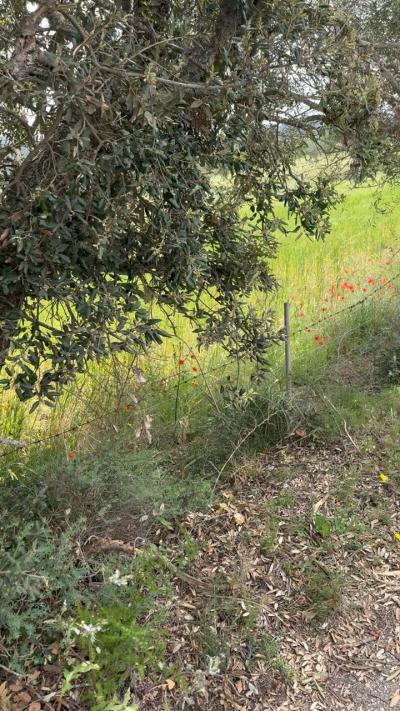
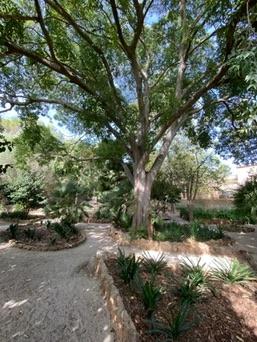
Many traditional fincas on the island owe their origins to centuries-old agricultural practices, and their gardens reveal a blend of native Mediterranean flora alongside cultivated crops. As you wander a finca’s grounds, you’re likely to find fragrant olive trees, carob trees with their distinctive pods, and aromatic rosemary and lavender thriving under the Balearic sun. Perhaps a patch of fig or pomegranate trees offers their sweet fruit, while grapevines trained over trellises hint at the island’s long winemaking tradition, especially around the Binissalem area.
Vegetable patches might reveal Mallorcan staples such as tomatoes and peppers, often used in iconic local dishes like tumbet. Some fincas even maintain small lemon or orange groves, contributing to the citrus scents in the air. Cypress and pine trees stand tall, providing dappled shade and shelter for birds common to the Serra de Tramuntana. In spring and autumn, wildflowers punctuate the landscape with bursts of color, and the gentle breeze carries the resinous scent typical of the Ma-13 road that winds along the mountain foothills. Together, this mixture of cultivated and wild plants forms a living mosaic that reflects both natural and human shaping of this Mediterranean environment.
Vegetable patches might reveal Mallorcan staples such as tomatoes and peppers, often used in iconic local dishes like tumbet. Some fincas even maintain small lemon or orange groves, contributing to the citrus scents in the air. Cypress and pine trees stand tall, providing dappled shade and shelter for birds common to the Serra de Tramuntana. In spring and autumn, wildflowers punctuate the landscape with bursts of color, and the gentle breeze carries the resinous scent typical of the Ma-13 road that winds along the mountain foothills. Together, this mixture of cultivated and wild plants forms a living mosaic that reflects both natural and human shaping of this Mediterranean environment.
Galilea
More Fotos