Where can I learn about the island's local wildlife, especially about processional caterpillars?
Similar Topics
local wildlife
processional caterpillars
palma aquarium
parc natural mondragó
tramuntana nature walks
tib bus network
mallorca insect exhibits
natural history
Many visitors arrive expecting Mallorca’s natural history to be all about beaches and Mediterranean flora, overlooking the fascinating smaller wildlife that thrives here. To delve deeper into the island’s ecosystems, the Palma Aquarium is a great starting point, offering detailed exhibits that cover marine life alongside terrestrial habitats. However, for those particularly interested in insects like the infamous processional caterpillars, the Parc Natural de Mondragó, located near Cala Mondragó on the southeastern coast, is an excellent site. Along its interpretive trails, informative boards highlight the local fauna, including these caterpillars whose unique behavior and lifecycle are critical to the island’s biodiversity.
In the Serra de Tramuntana, several guided nature walks led by local experts often focus on seasonal insect life, with an emphasis on understanding species such as the processional caterpillar. These walks tend to coincide with specific times of year when the caterpillars are most visible and active, offering a close-up insight into their ecological role and the precautions needed due to their irritant hairs. Museums like Es Baluard in Palma occasionally host exhibits or events spotlighting Mallorca’s insect fauna within broader natural history contexts. Complementing these experiences, local environmental centers and the TIB bus network make it easy to access sites like Mondragó, ensuring that even those without a car can explore the island’s rich but sometimes hidden wildlife.
For a truly immersive experience, plan a visit during field days or festivals hosted in smaller towns such as Pollenca or Alcudia, where educational activities about nature and island traditions converge. Sampling local treats like pa amb oli afterward, perhaps while enjoying views of the Tramuntana mountains, rounds out an enriching day of learning and exploring the often-overlooked creatures that share this Mediterranean landscape.
In the Serra de Tramuntana, several guided nature walks led by local experts often focus on seasonal insect life, with an emphasis on understanding species such as the processional caterpillar. These walks tend to coincide with specific times of year when the caterpillars are most visible and active, offering a close-up insight into their ecological role and the precautions needed due to their irritant hairs. Museums like Es Baluard in Palma occasionally host exhibits or events spotlighting Mallorca’s insect fauna within broader natural history contexts. Complementing these experiences, local environmental centers and the TIB bus network make it easy to access sites like Mondragó, ensuring that even those without a car can explore the island’s rich but sometimes hidden wildlife.
For a truly immersive experience, plan a visit during field days or festivals hosted in smaller towns such as Pollenca or Alcudia, where educational activities about nature and island traditions converge. Sampling local treats like pa amb oli afterward, perhaps while enjoying views of the Tramuntana mountains, rounds out an enriching day of learning and exploring the often-overlooked creatures that share this Mediterranean landscape.
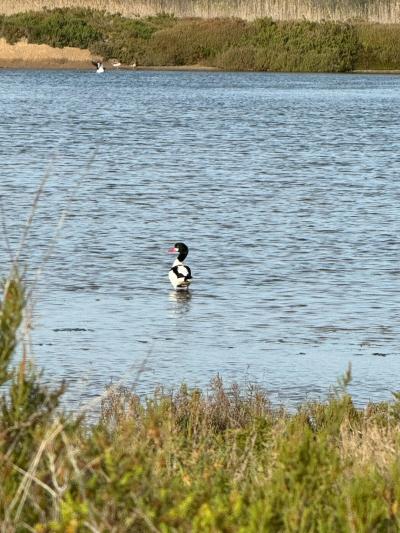
ses Covetes
More Fotos