How have traditional Mallorcan customs been incorporated into sustainable tourism on the island?
Similar Topics
sustainable tourism
traditional crafts
farm-to-table mallorca
binissalem wine
sant sebastià festival
artisan workshops
serra de tramuntana
eco-friendly travel
Local communities on the island often keep traditional customs alive not just as heritage but as a foundation for sustainable tourism. Artisans in towns like Valldemossa and Deia continue to craft ceramics, woven goods, and woodworking products that visitors can experience up close by visiting workshops or markets. This effort preserves age-old techniques while supporting the local economy with authentic souvenirs made by hand.
Sustainable agriculture also plays a key role here. Many agritourism farms around Manacor and the Binissalem wine region invite travellers to join in harvesting olives, almonds, or grapes. These farm-to-table experiences serve to educate visitors on the importance of local, responsible food production and reduce transportation carbon footprints, reinforcing an eco-conscious connection to the land.
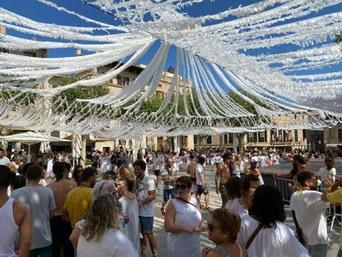
Cultural festivals such as Sant Sebastià in Palma or the Festa de l'Ametler in the Serra de Tramuntana integrate traditional music, dance, and food while carefully balancing visitor numbers to avoid overtourism. By valuing these festivities for their cultural significance and managing them sustainably, the island protects its identity and ensures that living traditions remain vibrant for future generations.
Sustainable agriculture also plays a key role here. Many agritourism farms around Manacor and the Binissalem wine region invite travellers to join in harvesting olives, almonds, or grapes. These farm-to-table experiences serve to educate visitors on the importance of local, responsible food production and reduce transportation carbon footprints, reinforcing an eco-conscious connection to the land.
Cultural festivals such as Sant Sebastià in Palma or the Festa de l'Ametler in the Serra de Tramuntana integrate traditional music, dance, and food while carefully balancing visitor numbers to avoid overtourism. By valuing these festivities for their cultural significance and managing them sustainably, the island protects its identity and ensures that living traditions remain vibrant for future generations.
Cala Figuera
More Fotos