What traditional dishes should I try when dining in Mallorca's towns and villages?
Similar Topics
pa amb oli
sobrassada
ensaïmada
tumbet
binissalem wine
hierbas liqueur
seafood mallorca
tramuntana cuisine
The smell of freshly baked ensaimadas drifting through a bakery window in Palma is just the start of a rich culinary journey across the island. Local tables often feature pa amb oli, a simple but deeply satisfying dish of rustic bread rubbed with ripe tomatoes, drizzled with olive oil, and paired with sobrassada, a cured pork sausage with a paprika kick. In mountain villages like Valldemossa or Deià, you might find tumbet, a vibrant vegetable stew layered with eggplant, peppers, and potatoes, reflecting the flavors of the Tramuntana countryside.
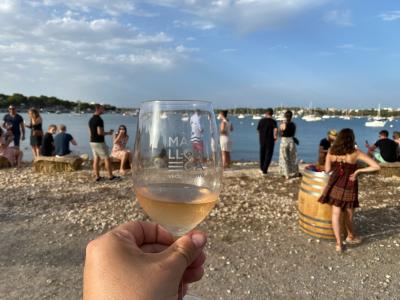
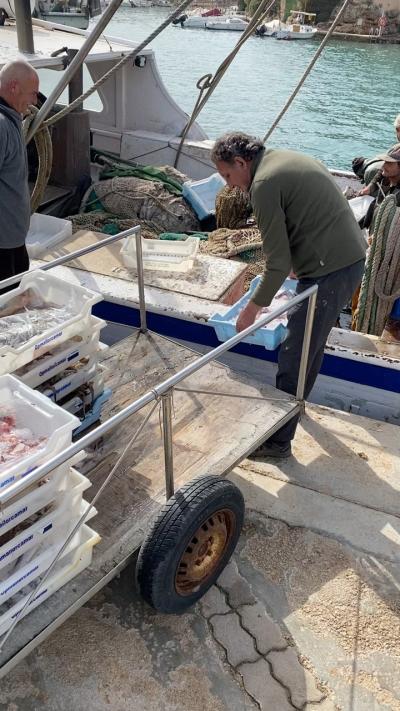
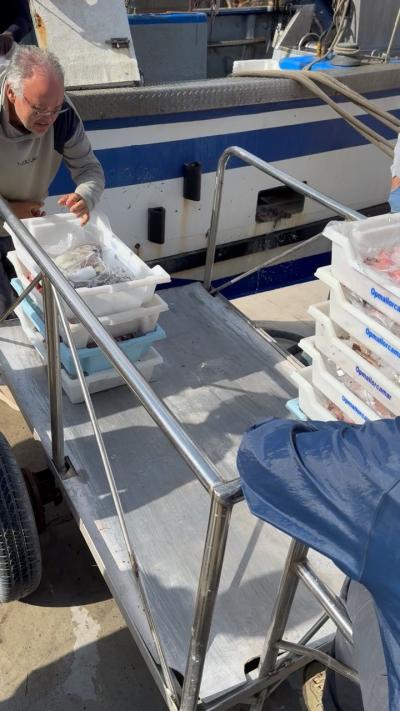
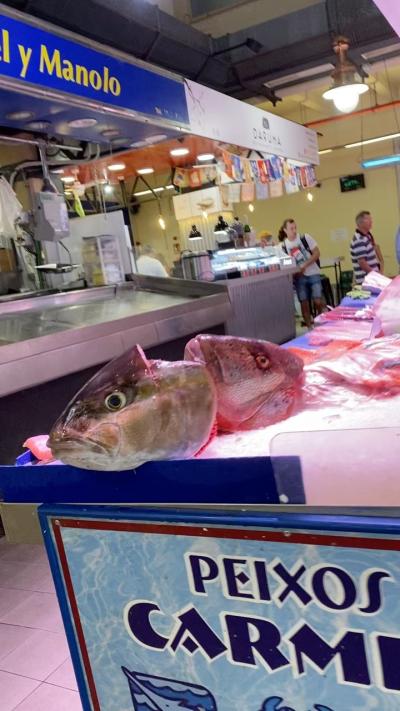
Coastal towns such as Port de Pollença or Cala d'Or tempt with freshly caught seafood, commonly grilled simply to let their natural flavors shine or served in a mild seafood stew. Meals are often accompanied by a glass of Malvasia from Binissalem or the herbal sweetness of Hierbas, a traditional liqueur. Make sure to leave room for an ensaïmada pastry for dessert, its fluffy layers a perfect way to round off the meal.
Many eateries along the Ma-13 and Ma-19 roads offer seasonal ingredients sourced locally, allowing visitors to dive into Mallorca’s culinary heritage with every bite. Whether enjoying a festive dish during Sant Sebastià in Palma or a quiet meal overlooking the coves of Cala Mondragó, the island's food carries the essence of its landscape and history in every serving.
Coastal towns such as Port de Pollença or Cala d'Or tempt with freshly caught seafood, commonly grilled simply to let their natural flavors shine or served in a mild seafood stew. Meals are often accompanied by a glass of Malvasia from Binissalem or the herbal sweetness of Hierbas, a traditional liqueur. Make sure to leave room for an ensaïmada pastry for dessert, its fluffy layers a perfect way to round off the meal.
Many eateries along the Ma-13 and Ma-19 roads offer seasonal ingredients sourced locally, allowing visitors to dive into Mallorca’s culinary heritage with every bite. Whether enjoying a festive dish during Sant Sebastià in Palma or a quiet meal overlooking the coves of Cala Mondragó, the island's food carries the essence of its landscape and history in every serving.
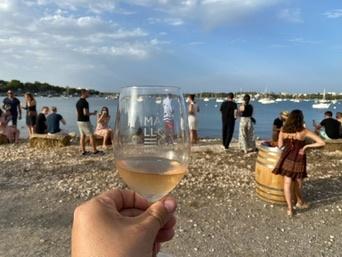
Cala Marçal
More Fotos