What role did the Islamic period play in the development of Palma as a city?
Similar Topics
Islamic period Palma
history of Palma
Palma architecture
Medina Mayurqa
cultural influences Palma
Alcázar Palma
Cathedral of Santa Maria
Moorish influence
Palma old town
Palma tourism
The Islamic period was a significant chapter in the history of Palma, shaping its identity and architectural landscape. Following the Islamic conquest in the 9th century, Palma, then known as Medina Mayurqa, flourished as an important trading hub in the Mediterranean. The city's strategic location allowed it to become a melting pot of cultures, where Islamic, Christian, and Jewish influences intertwined. This period saw the development of sophisticated irrigation systems, enhancing agriculture in the surrounding areas, which contributed to the prosperity of the city.
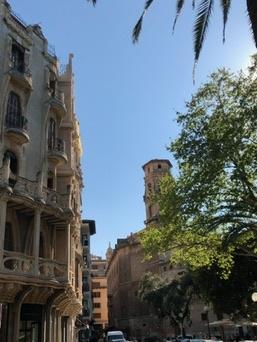
Architecturally, the Islamic period left an indelible mark on Palma. Many structures and urban designs from this era can still be appreciated today, especially in the old town, where narrow streets and intricate arches hint at the Moorish influence. The construction of the city’s fortress, the Alcázar, and the mosque, which later became the site for the majestic Cathedral of Santa Maria, are just a few examples of the enduring legacy of Islamic rule. The period also fostered advancements in science, philosophy, and the arts, with many scholars and artisans contributing to Palma’s reputation as a center of learning and culture.
As you wander through Palma’s historic streets, it’s easy to sense the echoes of its past, especially in the vibrant markets and the lively atmosphere that continues to celebrate its rich heritage. The blend of architectural styles and cultural influences from the Islamic period not only enhanced the city's beauty but also laid the foundation for its development into a bustling urban center. Today, visitors can experience this unique fusion of history, art, and culture, which defines Palma and makes it a captivating destination to explore.
Architecturally, the Islamic period left an indelible mark on Palma. Many structures and urban designs from this era can still be appreciated today, especially in the old town, where narrow streets and intricate arches hint at the Moorish influence. The construction of the city’s fortress, the Alcázar, and the mosque, which later became the site for the majestic Cathedral of Santa Maria, are just a few examples of the enduring legacy of Islamic rule. The period also fostered advancements in science, philosophy, and the arts, with many scholars and artisans contributing to Palma’s reputation as a center of learning and culture.
As you wander through Palma’s historic streets, it’s easy to sense the echoes of its past, especially in the vibrant markets and the lively atmosphere that continues to celebrate its rich heritage. The blend of architectural styles and cultural influences from the Islamic period not only enhanced the city's beauty but also laid the foundation for its development into a bustling urban center. Today, visitors can experience this unique fusion of history, art, and culture, which defines Palma and makes it a captivating destination to explore.
More Fotos