How does the Mediterranean climate influence the biodiversity found across Mallorca?
Similar Topics
mediterranean climate
mallorca biodiversity
serra de tramuntana
es trenc
endemic species
binissalem wine region
local agriculture
seasonal habitats
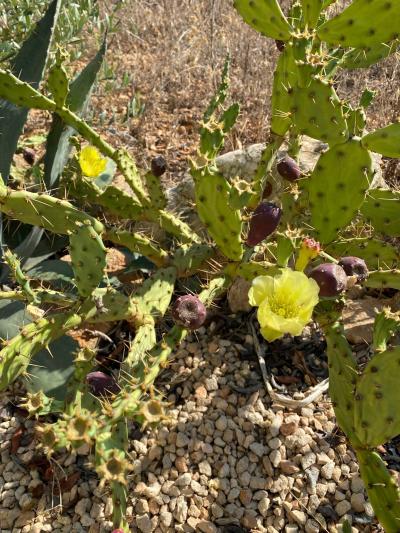
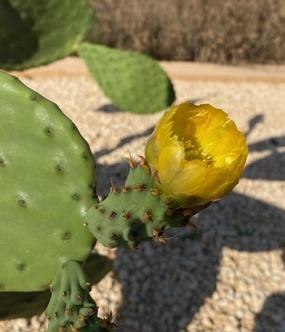
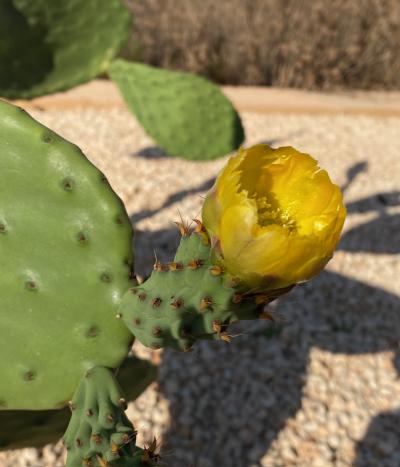
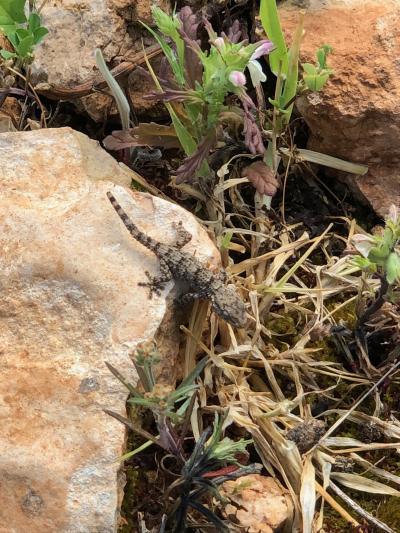
The warm, dry summers paired with mild, wetter winters on the island create the ideal conditions for a wide variety of plants and animals to flourish. Around the Serra de Tramuntana, for example, you’ll find aromatic herbs like rosemary and thyme thriving alongside endemic species adapted to these cyclical climates. These drought-resistant shrubs not only shape the landscape but also provide vital habitats for insects, reptiles, and birds unique to the region.
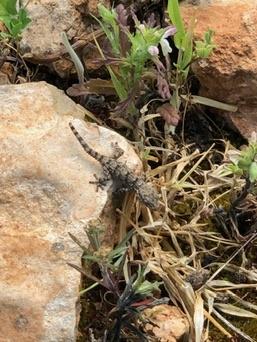
Diverse microhabitats—from the salt flats near Es Trenc beach to the pine groves in the north and oak forests inland—support a complex web of life. Seasonal rains rejuvenate wetlands and allow migratory birds to rest, while the dry summer months encourage certain reptiles and insects to emerge and breed. This continual rhythm shapes ecological interactions and makes Mallorca’s biodiversity notably vibrant and resilient.
Local farming traditions, such as the terraced fields around Valldemossa and olive groves in Binissalem, mesh seamlessly with these natural cycles. These practices have helped preserve the landscape’s biological richness for centuries, ensuring that human activity harmonizes with, rather than disrupts, ecological balance. Exploring the island during different seasons reveals not only stunning scenery but also a living heritage deeply entwined with the Mediterranean climate.
More Fotos