What traditional dishes should I try while visiting Mallorca?
Similar Topics
mallorca food
tumbet
pa amb oli
sobrassada
ensaimada
hierbas liqueur
binissalem wine
tramuntana cuisine
Culinary highlights here range from hearty mountain fare to lighter coastal specialties, reflecting the island’s varied landscapes and rich farming heritage. In a mountain village like Valldemossa or Deia, you might find tumbet, a vibrant dish of fried aubergines, peppers, potatoes, and tomato, often served with a drizzle of olive oil and freshly baked bread. This vegetable medley channels the flavors of the Tramuntana and pairs wonderfully with local sobrassada, the soft, cured pork sausage unique to the island.
In Palma or along the bays at Port de Pollenca or Alcudia, pa amb oli is a classic staple not to miss. Made with rustic bread rubbed with ripe tomatoes and garlic, then drizzled with island-grown olive oil, it’s typically accompanied by slices of cheese, ham, or sobrasada. For a sweet finish, order an ensaimada, the light, spiral-shaped pastry dusted with powdered sugar, perfect alongside a coffee or a glass of Hierbas, the fragrant local herbal liqueur.
Winters and festivals add their own culinary touches, with special dishes appearing at events like Sant Sebastià where local markets burst with seasonal produce and Binissalem wines. Across the island, the simple, fresh ingredients—local olives, almonds, and vegetables—are always presented in ways that celebrate Mallorca’s deep-rooted food traditions and Mediterranean influences.
In Palma or along the bays at Port de Pollenca or Alcudia, pa amb oli is a classic staple not to miss. Made with rustic bread rubbed with ripe tomatoes and garlic, then drizzled with island-grown olive oil, it’s typically accompanied by slices of cheese, ham, or sobrasada. For a sweet finish, order an ensaimada, the light, spiral-shaped pastry dusted with powdered sugar, perfect alongside a coffee or a glass of Hierbas, the fragrant local herbal liqueur.
Winters and festivals add their own culinary touches, with special dishes appearing at events like Sant Sebastià where local markets burst with seasonal produce and Binissalem wines. Across the island, the simple, fresh ingredients—local olives, almonds, and vegetables—are always presented in ways that celebrate Mallorca’s deep-rooted food traditions and Mediterranean influences.
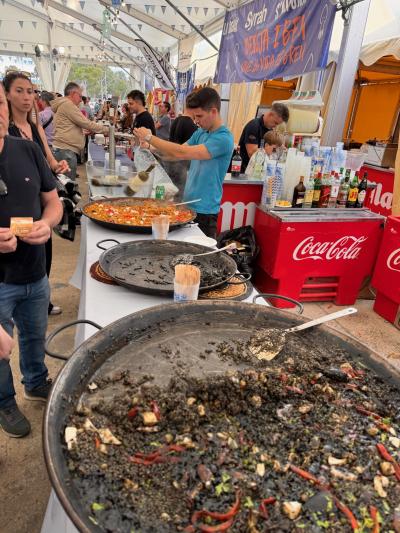
Alcanada
More Fotos



Related Questions
Related Question
Are there guided hiking tours on the Serra de Tramuntana for visitors seeking company and expert local knowledge?
Related Question
What family-friendly activities are available near Mallorca's best beaches?
Related Question
Are there any quiet coves in Mallorca that I can reach on foot for a peaceful swim?