What traditional Mallorcan dishes best reflect the island's cultural heritage and local bounty?
Similar Topics
mallorca food
sobrassada
pa amb oli
tumbet
ensaimada
hierbas liqueur
binissalem wine
serra de tramuntana
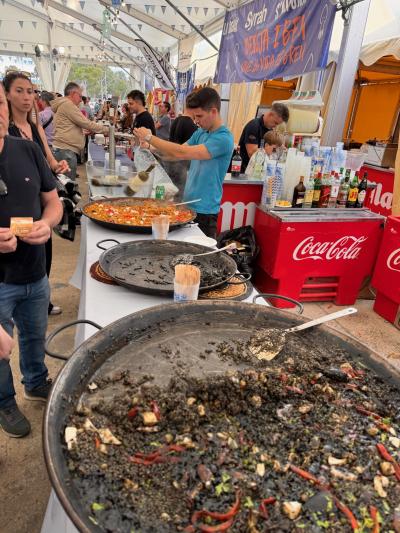
Nestled within the rich gastronomy of the Serra de Tramuntana and beyond, the island's traditional dishes speak volumes about its agricultural and maritime wealth. Take pa amb oli, for instance—a deceptively simple dish of local bread rubbed with ripe tomatoes, drizzled with olive oil, and paired with sobrassada sausages or local cheeses. It embodies Mallorca’s culinary ethos, turning humble ingredients into a soulful experience that connects visitors with rural life and seasonal cycles.
In coastal enclaves like Port de Pollença or Cala Figuera, fresh seafood shapes other local specialties, while inland towns such as Manacor highlight flavors from the earth with hearty tumbet, a layered vegetable bake reminiscent of ratatouille, featuring aubergines, peppers, and tomatoes grown in nearby fields. The lingering sweetness of ensaimadas offers a window into the island’s history of wheat cultivation and baking traditions. Sampling these at a bustling Palma market or a village fête underlines how food binds the social fabric.
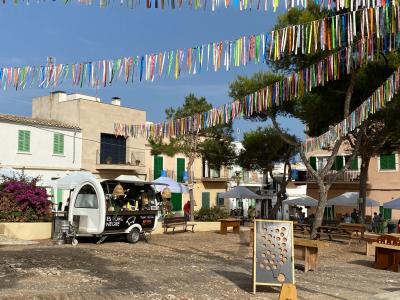
Local drinks enhance these experiences, with Binissalem wines offering nuanced reds and whites that speak of Mallorca’s unique terroir. After a meal, it’s customary to sip aromatic Hierbas or the bittersweet Palo, herbal liqueurs reflecting generations of island distillers. Festivals like Sant Sebastià in Palma or the Festa de l’Ametler in fields around Sóller often become communal feasts where these dishes and drinks shine, showcasing not only local produce but also the islanders’ pride and conviviality.
Exploring Mallorcan cuisine thus opens a window into its heritage, where geography, tradition, and celebration entwine. Far beyond mere sustenance, these dishes invite travellers to taste the island’s identity and its sense of place.
In coastal enclaves like Port de Pollença or Cala Figuera, fresh seafood shapes other local specialties, while inland towns such as Manacor highlight flavors from the earth with hearty tumbet, a layered vegetable bake reminiscent of ratatouille, featuring aubergines, peppers, and tomatoes grown in nearby fields. The lingering sweetness of ensaimadas offers a window into the island’s history of wheat cultivation and baking traditions. Sampling these at a bustling Palma market or a village fête underlines how food binds the social fabric.
Local drinks enhance these experiences, with Binissalem wines offering nuanced reds and whites that speak of Mallorca’s unique terroir. After a meal, it’s customary to sip aromatic Hierbas or the bittersweet Palo, herbal liqueurs reflecting generations of island distillers. Festivals like Sant Sebastià in Palma or the Festa de l’Ametler in fields around Sóller often become communal feasts where these dishes and drinks shine, showcasing not only local produce but also the islanders’ pride and conviviality.
Exploring Mallorcan cuisine thus opens a window into its heritage, where geography, tradition, and celebration entwine. Far beyond mere sustenance, these dishes invite travellers to taste the island’s identity and its sense of place.
Alcanada
More Fotos



Related Questions
Related Question
How can I find out if sunbeds and parasols are available to rent at beaches like Es Trenc or Cala Mondragó?
Related Question
How do I travel from Sóller to Palma if I want to explore the capital?
Related Question
Is it customary to share dishes or order individually at Mallorca’s traditional restaurants?