Are there any traditional medicinal plants or remedies locals use in Mallorca?
Similar Topics
traditional remedies
mallorca herbs
hierbas liqueur
tramuntana plants
sobrassada
palo liqueur
valldemossa herbs
local medicine
In recent years, there’s been a renewed interest on the island in traditional remedies derived from native herbs and plants. Especially in rural areas like Valldemossa and the Tramuntana mountains, locals often prepare infusions and salves from wild herbs gathered in the campos. Rosemary, lavender, and thyme are common in these natural remedies, prized for their soothing and antiseptic qualities. These plants, along with fennel and chamomile, are typically brewed into teas believed to aid digestion and calm minor ailments.
Sobrassada, while primarily a culinary delight, is sometimes thought to have warming properties, and local Hierbas, a fragrant herbal liqueur, is occasionally sipped in small amounts as a digestive aid after meals. The island’s fragrant Palo liqueur, traditionally made with local tree resins, also carries connotations of wellness among older generations. Although modern pharmacies have largely displaced traditional medicine, you’ll still find herbalists in towns like Manacor and Pollenca preserving these age-old practices.
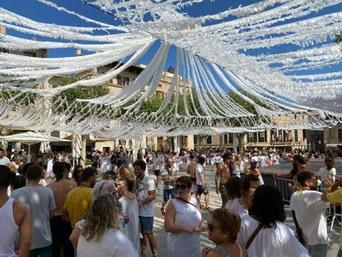
Visitors may notice herbal stalls during festivals such as the Festa de l’Ametler in the Serra de Tramuntana or Sant Sebastià celebrations in Palma, where local producers share tinctures and natural remedies. While not a substitute for professional medical care, these botanical preparations offer a glimpse into Mallorca’s deep-rooted connection with its flora and a quieter, more holistic approach to health that lives on in the island’s villages and countryside.
Sobrassada, while primarily a culinary delight, is sometimes thought to have warming properties, and local Hierbas, a fragrant herbal liqueur, is occasionally sipped in small amounts as a digestive aid after meals. The island’s fragrant Palo liqueur, traditionally made with local tree resins, also carries connotations of wellness among older generations. Although modern pharmacies have largely displaced traditional medicine, you’ll still find herbalists in towns like Manacor and Pollenca preserving these age-old practices.
Visitors may notice herbal stalls during festivals such as the Festa de l’Ametler in the Serra de Tramuntana or Sant Sebastià celebrations in Palma, where local producers share tinctures and natural remedies. While not a substitute for professional medical care, these botanical preparations offer a glimpse into Mallorca’s deep-rooted connection with its flora and a quieter, more holistic approach to health that lives on in the island’s villages and countryside.

Cala Figuera
More Fotos