What role did Ramon Llull play in Mallorca's history?
Similar Topics
Ramon Llull
Mallorca history
13th century Mallorca
Palma attractions
philosophy in Mallorca
Ars Magna
cultural heritage Mallorca
Christian Muslim dialogue
languages school Mallorca
intellectual renaissance
Ramon Llull is a towering figure in Mallorca's history, known for his contributions to philosophy, literature, and the arts during the 13th century. Born in Palma around 1232, he was not only a scholar but also a mystic and a missionary, deeply influenced by the multicultural environment of the island, which was a vibrant crossroads of Christian and Muslim cultures. Llull's experiences and observations of this unique blend of societies inspired him to develop a systematic approach to knowledge and a method for converting Muslims to Christianity, which he outlined in his influential works. His most famous text, "Ars Magna," reflects his desire to unify various fields of knowledge and promote dialogue among different faiths.
Llull's legacy is deeply woven into the cultural fabric of Mallorca. He established the first school of languages in the Mediterranean, facilitating communication between different religious communities. This initiative not only fostered understanding but also contributed to the intellectual renaissance that marked the region during the Middle Ages. His writings and philosophical ideas have left a lasting impact on both Christian and Islamic thought, making him a significant historical figure beyond the borders of Mallorca.
Today, visitors to Mallorca can explore places associated with Llull, such as the old town of Palma, where his life unfolded amidst the rich architecture and history of the island. His influence is also evident in the local culture, where his spirit of inquiry and dialogue continues to inspire a sense of openness and curiosity. Whether you’re wandering through ancient streets or soaking in the serene landscapes, understanding Ramon Llull's role in Mallorca's history adds a deeper layer to the experience of this beautiful island.
Llull's legacy is deeply woven into the cultural fabric of Mallorca. He established the first school of languages in the Mediterranean, facilitating communication between different religious communities. This initiative not only fostered understanding but also contributed to the intellectual renaissance that marked the region during the Middle Ages. His writings and philosophical ideas have left a lasting impact on both Christian and Islamic thought, making him a significant historical figure beyond the borders of Mallorca.
Today, visitors to Mallorca can explore places associated with Llull, such as the old town of Palma, where his life unfolded amidst the rich architecture and history of the island. His influence is also evident in the local culture, where his spirit of inquiry and dialogue continues to inspire a sense of openness and curiosity. Whether you’re wandering through ancient streets or soaking in the serene landscapes, understanding Ramon Llull's role in Mallorca's history adds a deeper layer to the experience of this beautiful island.
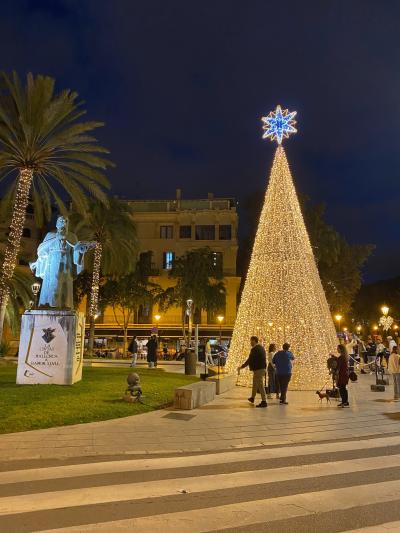
Palma
More Fotos