How has the landscape of Mallorca influenced its cultural identity?
Similar Topics
Mallorca cultural identity
Serra de Tramuntana
Mallorca beaches
Mediterranean cuisine
Mallorca fishing communities
Mallorca architecture
Mallorca festivals
Mallorca natural beauty
Mallorca historical influences
Mallorca artistic inspiration
Mallorca's diverse and stunning landscape has played a crucial role in shaping its cultural identity, creating a rich tapestry that reflects both its natural beauty and historical influences. The island is characterized by its dramatic mountain ranges, such as the Serra de Tramuntana, which not only provide breathtaking views but also foster a sense of community among the villages nestled within the valleys. These mountains have historically offered protection and resources, encouraging agricultural practices that have become integral to Mallorcan life. The terraced fields and dry-stone walls that adorn the hillsides are testaments to the islanders' resilience and ingenuity, contributing to a cultural landscape that is both visually striking and historically significant.
The coastline of Mallorca, with its stunning beaches and rocky cliffs, has also profoundly influenced local traditions and lifestyles. The sea has long been a source of sustenance and inspiration, shaping the island's culinary heritage with fresh seafood and traditional recipes that reflect the bounty of the Mediterranean. Local fishing communities have developed unique customs and festivals that celebrate their connection to the ocean, reinforcing the importance of maritime culture in Mallorca's identity. Furthermore, the stunning natural scenery attracts artists, musicians, and writers, who draw inspiration from the island's beauty, adding layers to its cultural narrative.
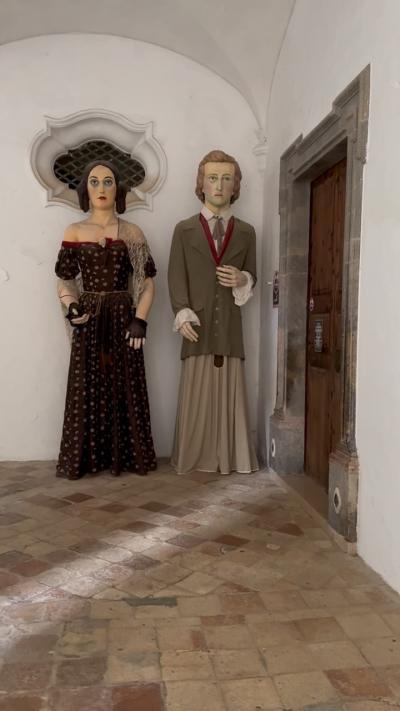
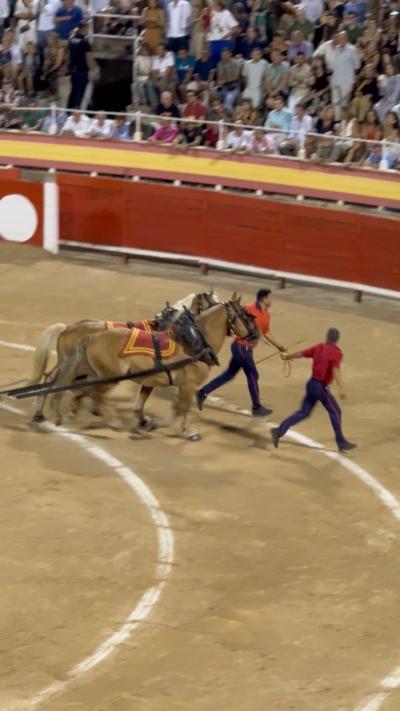
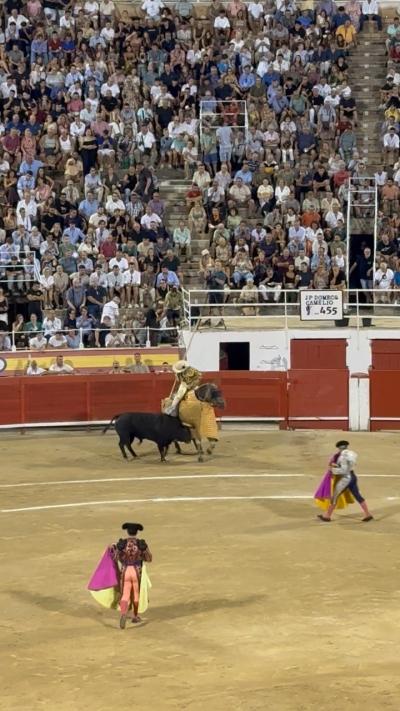
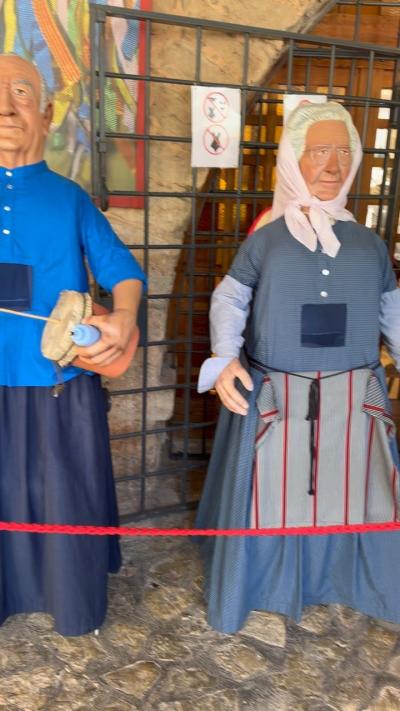
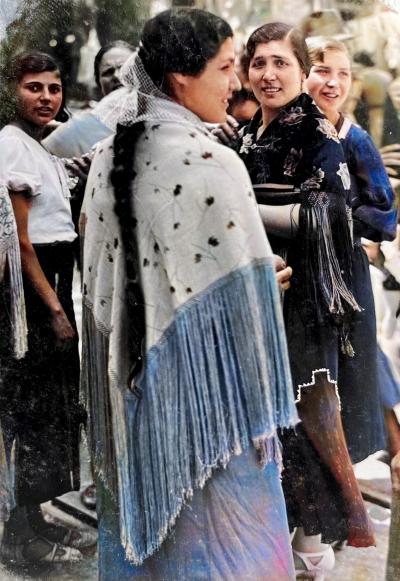
In addition to these natural influences, the interplay of various civilizations over centuries—such as the Romans, Moors, and Catalans—has imbued Mallorca with a diverse cultural heritage. This blending is evident in the architecture, language, and traditions that can be observed throughout the island. The vibrant towns and villages, with their narrow streets and historic buildings, reflect this rich history, while local festivals often celebrate both ancient customs and modern interpretations. The landscape, therefore, acts not only as a backdrop but also as a fundamental part of the Mallorcan identity, intertwining the natural environment with the cultural expressions of its people.
The coastline of Mallorca, with its stunning beaches and rocky cliffs, has also profoundly influenced local traditions and lifestyles. The sea has long been a source of sustenance and inspiration, shaping the island's culinary heritage with fresh seafood and traditional recipes that reflect the bounty of the Mediterranean. Local fishing communities have developed unique customs and festivals that celebrate their connection to the ocean, reinforcing the importance of maritime culture in Mallorca's identity. Furthermore, the stunning natural scenery attracts artists, musicians, and writers, who draw inspiration from the island's beauty, adding layers to its cultural narrative.
In addition to these natural influences, the interplay of various civilizations over centuries—such as the Romans, Moors, and Catalans—has imbued Mallorca with a diverse cultural heritage. This blending is evident in the architecture, language, and traditions that can be observed throughout the island. The vibrant towns and villages, with their narrow streets and historic buildings, reflect this rich history, while local festivals often celebrate both ancient customs and modern interpretations. The landscape, therefore, acts not only as a backdrop but also as a fundamental part of the Mallorcan identity, intertwining the natural environment with the cultural expressions of its people.
More Fotos
Related Questions
Related Question
Which hiking trails lead to spectacular beaches or hidden coves on the island?
Related Question
How has the winemaking industry in Mallorca evolved over the years?
Related Question
Are there any traditional festivals in the Tramuntana mountains that showcase local culture and heritage?