What is the history of the village of Deià prior to Robert Graves' arrival?
Similar Topics
Deià history
Mallorca tourism
Moorish architecture
Robert Graves
Tramuntana mountains
artist retreat
Mediterranean culture
cultural evolution
olive cultivation
Mallorca village
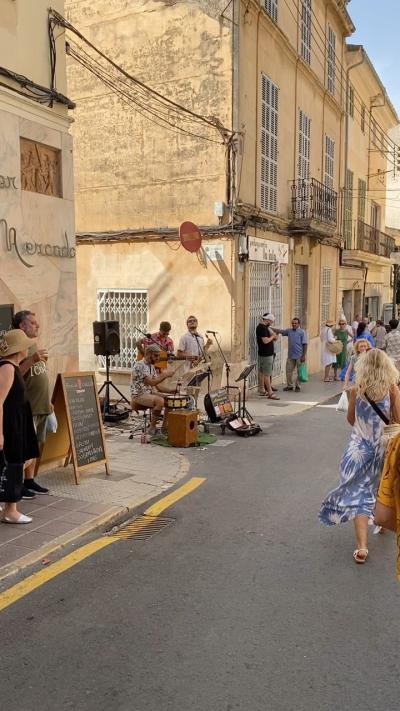
Deià, a picturesque village nestled in the Tramuntana mountains of Mallorca, has a rich history that predates the arrival of the renowned poet and novelist Robert Graves in the early 20th century. The village's origins can be traced back to the Moorish period, and the name "Deià" is believed to derive from the Arabic term "Daiya," meaning "a small place." The Moors established terraced agriculture in the area, which allowed the village to thrive with the cultivation of crops like olives and almonds. After the Reconquista in the 13th century, the village transitioned into a Christian settlement, but it retained much of its Moorish architectural influence, evident in the narrow, winding streets and stone buildings that still characterize Deià today.
Throughout the centuries, Deià attracted various inhabitants, including farmers and fishermen, who contributed to its development as a small but vibrant community. By the 19th century, it emerged as an artist’s haven, drawing in painters, musicians, and writers inspired by its breathtaking landscapes and tranquil atmosphere. This artistic influx laid the groundwork for a cultural renaissance in the village, setting the stage for Graves' arrival in 1932. His presence brought international attention to Deià, further enhancing its reputation as a creative retreat. However, even before Graves, the village had a rich tapestry of life woven into its history, marked by waves of cultural and agricultural evolution that shaped its identity as a beloved destination on the island of Mallorca.
Throughout the centuries, Deià attracted various inhabitants, including farmers and fishermen, who contributed to its development as a small but vibrant community. By the 19th century, it emerged as an artist’s haven, drawing in painters, musicians, and writers inspired by its breathtaking landscapes and tranquil atmosphere. This artistic influx laid the groundwork for a cultural renaissance in the village, setting the stage for Graves' arrival in 1932. His presence brought international attention to Deià, further enhancing its reputation as a creative retreat. However, even before Graves, the village had a rich tapestry of life woven into its history, marked by waves of cultural and agricultural evolution that shaped its identity as a beloved destination on the island of Mallorca.
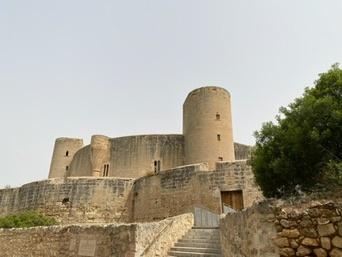
Palma
More Fotos