What unique architectural styles can I find in Palma's historic buildings?
Similar Topics
Palma architecture
Gothic buildings Mallorca
Moorish architecture Palma
Baroque style churches
Modernisme Palma
La Seu Cathedral
Church of Santa Eulalia
historic buildings Palma
20th century architecture
Mallorca travel
Palma, the capital of Mallorca, boasts a rich tapestry of architectural styles that reflect its diverse history and cultural influences. One of the most prominent styles you'll encounter is Gothic architecture, exemplified by the breathtaking La Seu Cathedral. This stunning structure, which began construction in the 13th century, features beautiful flying buttresses, intricate stained glass windows, and soaring vaulted ceilings, showcasing the height of Gothic design. As you wander through the narrow streets of the old town, you'll also see charming examples of Moorish architecture, particularly in the form of arched doorways, intricate tile work, and serene patios that offer a glimpse into the island's Islamic heritage.
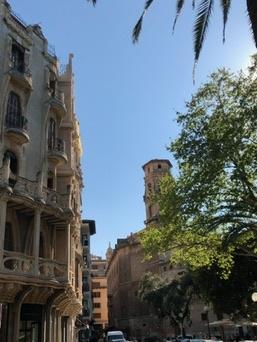
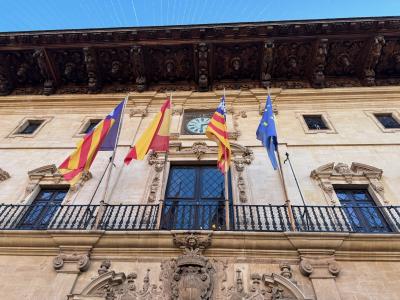
In addition to Gothic and Moorish influences, Palma's historic buildings display a variety of Baroque elements, especially in churches and civic structures. The Church of Santa Eulalia is a fine example, with its ornate facade and elaborate interior, reflecting the grandeur of Baroque design. As you explore further, you'll also come across Modernisme, a style that emerged in the late 19th and early 20th centuries, characterized by organic forms and decorative details. The Gran Hotel de Palma, with its decorative ironwork and vibrant mosaics, serves as a perfect illustration of this movement, adding a touch of artistic flair to the city’s architectural landscape.
Finally, don't miss the opportunity to admire the eclectic mix of styles that characterize Palma's 20th-century buildings. The city has seen a surge of creativity that blends traditional elements with contemporary design, resulting in a vibrant urban environment. As you stroll through neighborhoods like Santa Catalina, you’ll find innovative architecture that reflects the local lifestyle, featuring rooftop terraces, modern materials, and sustainable practices. This unique combination of architectural styles not only tells the story of Palma’s past but also showcases its evolving identity, making it a fascinating destination for architecture lovers and casual explorers alike.
In addition to Gothic and Moorish influences, Palma's historic buildings display a variety of Baroque elements, especially in churches and civic structures. The Church of Santa Eulalia is a fine example, with its ornate facade and elaborate interior, reflecting the grandeur of Baroque design. As you explore further, you'll also come across Modernisme, a style that emerged in the late 19th and early 20th centuries, characterized by organic forms and decorative details. The Gran Hotel de Palma, with its decorative ironwork and vibrant mosaics, serves as a perfect illustration of this movement, adding a touch of artistic flair to the city’s architectural landscape.
Finally, don't miss the opportunity to admire the eclectic mix of styles that characterize Palma's 20th-century buildings. The city has seen a surge of creativity that blends traditional elements with contemporary design, resulting in a vibrant urban environment. As you stroll through neighborhoods like Santa Catalina, you’ll find innovative architecture that reflects the local lifestyle, featuring rooftop terraces, modern materials, and sustainable practices. This unique combination of architectural styles not only tells the story of Palma’s past but also showcases its evolving identity, making it a fascinating destination for architecture lovers and casual explorers alike.
Palma
More Fotos