How do traditional Mallorcan dances differ from those in other regions of Spain?
Similar Topics
Mallorcan dances
Sardana
Flamenco
Ball de Bot
xeremía
tamborí
Mallorca culture
traditional music
local festivals
cultural heritage
Traditional Mallorcan dances are rich in cultural significance and reflect the island’s unique history and influences. One of the most notable dances is the "Sardana," which differs from the more widely recognized Flamenco of southern Spain. While Flamenco is characterized by its passionate footwork, intricate hand movements, and emotional expression, Mallorcan dances often emphasize communal participation and celebrate the island's agricultural roots. For instance, the "Ball de Bot" features lively, upbeat music with simple, energetic movements that encourage everyone to join in, creating a sense of community and shared joy.
The music accompanying Mallorcan dances is also distinctive, often featuring traditional instruments such as the "xeremía" (a type of bagpipe) and "tamborí" (a small drum), which contribute to a unique sound that sets it apart from dances in other regions. In contrast, the music of Flamenco includes the guitar and clapping, which adds a different rhythm and mood. Additionally, the attire worn during these dances often reflects the island's agricultural heritage, with colorful and locally-inspired costumes that showcase the craftsmanship of Mallorcan artisans.
Moreover, the themes of Mallorcan dances often revolve around the island's natural beauty, local legends, and celebrations of seasonal changes, which can be quite different from the more personal and often romantic themes found in Flamenco. For visitors to Mallorca, experiencing these dances during local festivals is a wonderful way to immerse oneself in the island's culture, providing insight into the values and traditions that have shaped this picturesque destination. In essence, while traditional dances across Spain may share some similarities, Mallorcan dances stand out for their community spirit, unique musicality, and deep connection to the island's heritage.
The music accompanying Mallorcan dances is also distinctive, often featuring traditional instruments such as the "xeremía" (a type of bagpipe) and "tamborí" (a small drum), which contribute to a unique sound that sets it apart from dances in other regions. In contrast, the music of Flamenco includes the guitar and clapping, which adds a different rhythm and mood. Additionally, the attire worn during these dances often reflects the island's agricultural heritage, with colorful and locally-inspired costumes that showcase the craftsmanship of Mallorcan artisans.
Moreover, the themes of Mallorcan dances often revolve around the island's natural beauty, local legends, and celebrations of seasonal changes, which can be quite different from the more personal and often romantic themes found in Flamenco. For visitors to Mallorca, experiencing these dances during local festivals is a wonderful way to immerse oneself in the island's culture, providing insight into the values and traditions that have shaped this picturesque destination. In essence, while traditional dances across Spain may share some similarities, Mallorcan dances stand out for their community spirit, unique musicality, and deep connection to the island's heritage.
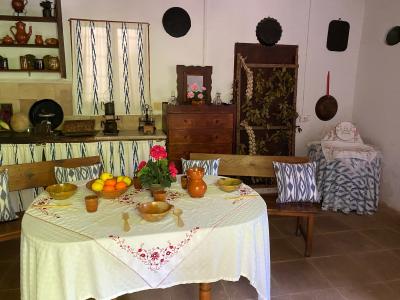
Bunyola
More Fotos