What are some must-visit historical landmarks on the island?
Similar Topics
la seu cathedral
almudaina palace
pollentia ruins
lluc sanctuary
valldemossa monastery
palma old town
serra de tramuntana
museu de mallorca
The best way to connect with the island’s past is to explore Palma’s old town, where narrow streets wind past Gothic churches and grand townhouses emblematic of Mallorca’s centuries of maritime trade. The majestic La Seu Cathedral, with its soaring stone facade and rich history spanning the 13th to 17th centuries, is an unmissable highlight just steps from the bustling Plaza Mayor. Nearby, the Almudaina Palace overlooks the sea—a former Moorish castle turned royal residence—inviting visitors to stroll its ornate halls and gardens steeped in regal grandeur.
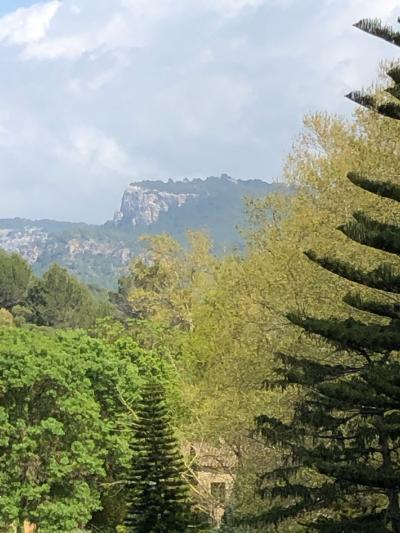
Outside Palma, the hilltop Sanctuary of Lluc in the Tramuntana mountains offers a spiritual and historical anchor, with its monastery cherished since medieval times. The ancient walls of Pollentia, near Alcudia, transport you back to Roman Mallorca, where you can walk among ruins of an amphitheatre, forums, and thermal baths. Further west, Valldemossa enchants with its Carthusian Monastery, once home to Chopin, framed by olive groves and rugged cliffs.
The island’s network of local museums, such as the Museu de Mallorca, illustrates a broader cultural evolution—from prehistoric settlements to modern artistry. Time spent with knowledgeable guides or at small galleries helps uncover the stories behind stone and tradition here, enriching the experience far beyond surface sightseeing. Every corner of this landscape reveals a chapter from a layered history defined by conquest, faith, and artistic triumph.
Outside Palma, the hilltop Sanctuary of Lluc in the Tramuntana mountains offers a spiritual and historical anchor, with its monastery cherished since medieval times. The ancient walls of Pollentia, near Alcudia, transport you back to Roman Mallorca, where you can walk among ruins of an amphitheatre, forums, and thermal baths. Further west, Valldemossa enchants with its Carthusian Monastery, once home to Chopin, framed by olive groves and rugged cliffs.
The island’s network of local museums, such as the Museu de Mallorca, illustrates a broader cultural evolution—from prehistoric settlements to modern artistry. Time spent with knowledgeable guides or at small galleries helps uncover the stories behind stone and tradition here, enriching the experience far beyond surface sightseeing. Every corner of this landscape reveals a chapter from a layered history defined by conquest, faith, and artistic triumph.
Palma
More Fotos