How does the design of the garden reflect Moorish architecture?
Similar Topics
Moorish architecture
garden design
symmetry
geometric patterns
water features
tranquility
ornamental shrubs
shaded areas
tile work
cultural heritage
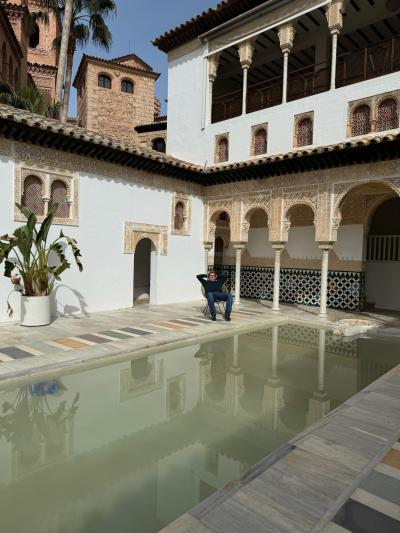
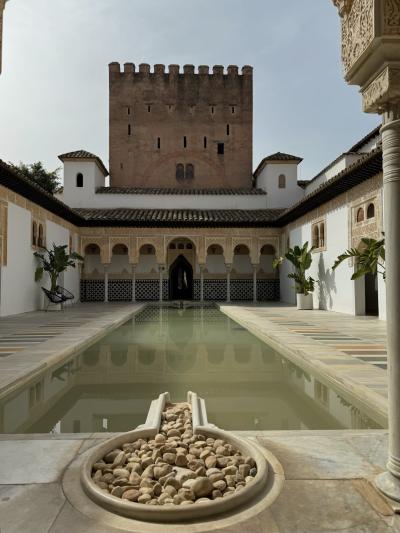
The design of the garden showcases many elements characteristic of Moorish architecture, creating a serene and inviting atmosphere that reflects the cultural heritage of the region. One of the most striking features is the use of symmetry and geometric patterns, which are hallmarks of Moorish design. The layout often includes carefully arranged pathways that lead to central water features, such as fountains or reflecting pools, emphasizing the importance of water in both the garden and Moorish architecture itself. This element not only serves a practical purpose but also symbolizes life and purity, echoing the way water was incorporated into palaces and mosques.
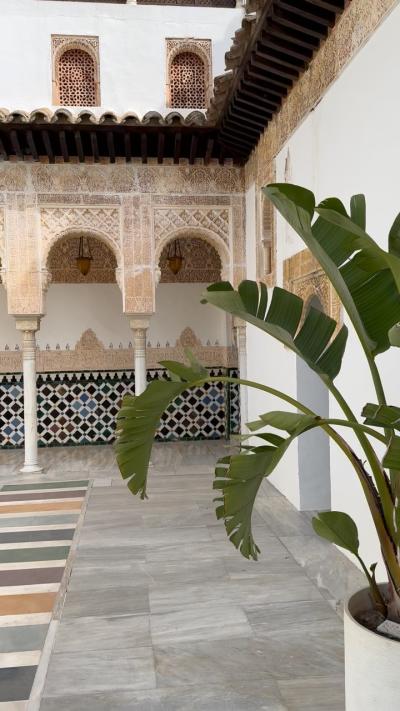
Additionally, the gardens often feature lush, vibrant vegetation, including fragrant flowers, fruit trees, and ornamental shrubs, all meticulously arranged to create a sense of tranquility and harmony. The use of shaded areas, created by trellises or trees, offers respite from the sun, reminiscent of how Moorish architects incorporated shaded courtyards and gardens into their designs to provide comfort and coolness. The intricate tile work and decorative elements that may adorn pathways or garden walls further enhance the Moorish influence, blending colors and patterns that reflect the artistic traditions of the time.
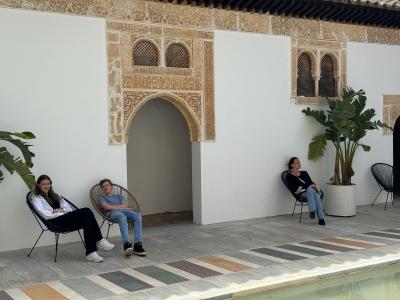
Overall, the garden serves as a living testament to the Moorish aesthetic, where nature and architecture unite to foster a sense of peace and beauty. Visitors are often struck by the way these gardens invite contemplation and relaxation, allowing them to appreciate the thoughtful design that has stood the test of time, embodying the rich cultural history that continues to inspire travelers today.
Additionally, the gardens often feature lush, vibrant vegetation, including fragrant flowers, fruit trees, and ornamental shrubs, all meticulously arranged to create a sense of tranquility and harmony. The use of shaded areas, created by trellises or trees, offers respite from the sun, reminiscent of how Moorish architects incorporated shaded courtyards and gardens into their designs to provide comfort and coolness. The intricate tile work and decorative elements that may adorn pathways or garden walls further enhance the Moorish influence, blending colors and patterns that reflect the artistic traditions of the time.
Overall, the garden serves as a living testament to the Moorish aesthetic, where nature and architecture unite to foster a sense of peace and beauty. Visitors are often struck by the way these gardens invite contemplation and relaxation, allowing them to appreciate the thoughtful design that has stood the test of time, embodying the rich cultural history that continues to inspire travelers today.
More Fotos