How long does it typically take to drive between Mallorca’s main towns, and are there common traffic delays to be aware of?
Similar Topics
drive times
traffic delays
ma-10 road
ma-13 route
palma traffic
tramuntana driving
tib bus network
mallorca roads
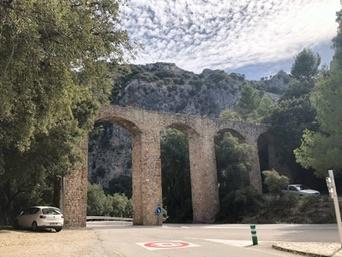
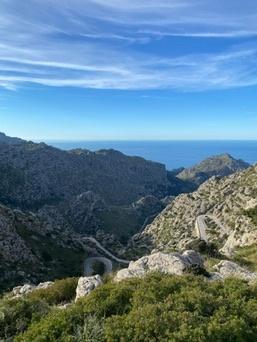
The scent of pine from the Serra de Tramuntana mingles with the sea air as you drive along Mallorca’s winding Ma-10 road, setting the tone for a journey that’s as much about the experience as the destination. Driving times here can vary widely depending on your route and traffic conditions. For example, a trip from Palma to Sóller typically takes around 40 minutes, while reaching the northern towns of Alcúdia or Pollença from the capital can take about an hour via the Ma-13, depending on traffic. The Ma-19 provides a smoother route along the southeast coast to Cala d’Or and Manacor.
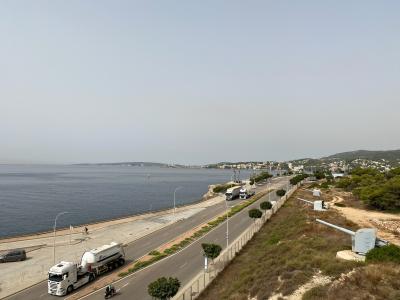
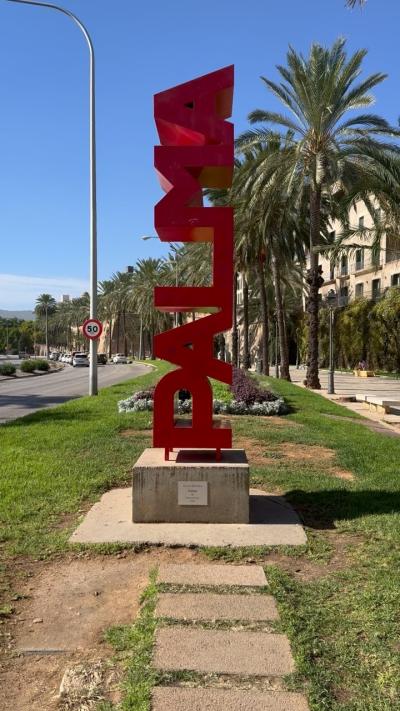
Rush hours in Palma, especially mornings and early evenings on weekdays, can add significant time to your drive, as can event days such as Sant Sebastià when the city fills with locals and visitors. Narrow roads through villages like Valldemossa or Deià can feel congested during peak tourist seasons, while the Ma-10’s bends require a cautious pace that naturally limits speed. Roadworks or occasional accidents may crop up, so it’s wise to use a live navigation app or check the TIB bus network for alternative routes, which are well connected across the island.
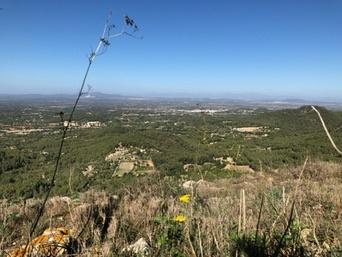
If you’re planning to explore the island’s many coves and beaches, such as Es Trenc or Cala Mondragó, it’s smart to start early to avoid the midday rush when parking spots quickly fill. Off-peak travel, whether early mornings or late afternoons, often reveals quieter roads and spectacular light for photography. The relaxed pace and the island’s spectacular landscapes suggest that adding extra time to your itinerary is always worthwhile to soak up the views—or stop for a plate of tumbet or a glass of Binissalem wine along the way.
Rush hours in Palma, especially mornings and early evenings on weekdays, can add significant time to your drive, as can event days such as Sant Sebastià when the city fills with locals and visitors. Narrow roads through villages like Valldemossa or Deià can feel congested during peak tourist seasons, while the Ma-10’s bends require a cautious pace that naturally limits speed. Roadworks or occasional accidents may crop up, so it’s wise to use a live navigation app or check the TIB bus network for alternative routes, which are well connected across the island.
If you’re planning to explore the island’s many coves and beaches, such as Es Trenc or Cala Mondragó, it’s smart to start early to avoid the midday rush when parking spots quickly fill. Off-peak travel, whether early mornings or late afternoons, often reveals quieter roads and spectacular light for photography. The relaxed pace and the island’s spectacular landscapes suggest that adding extra time to your itinerary is always worthwhile to soak up the views—or stop for a plate of tumbet or a glass of Binissalem wine along the way.
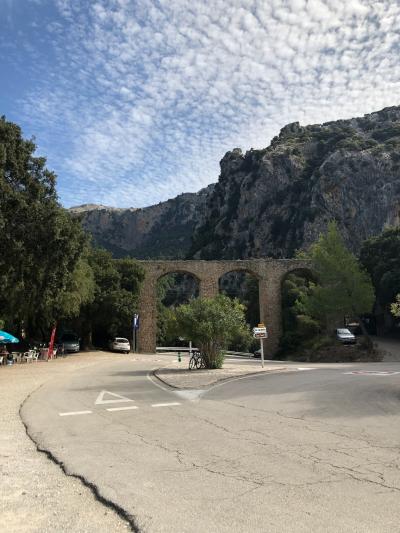
Sa Calobra
More Fotos