How do visitors typically react to hearing Catalan spoken around Palma and other parts of the island?
Similar Topics
catalan language
palma de mallorca
mallorquí dialect
local culture
sant sebastià festival
traditional food
mallorca villages
mallorca markets
In towns like Palma and sleepy villages such as Valldemossa or Deià, Catalan is the everyday language heard in markets, cafes, and on the streets. The local dialect, Mallorquí, is a point of pride for residents and warmly reflects the island’s cultural identity. Visitors often find themselves charmed by the melodic rhythm of Catalan, which adds a layer of authenticity to exploring local life. Many try to pick up a few common phrases, especially at cheese shops offering sobrassada or at bustling food markets where fresh produce and ensaimadas tempt passersby.
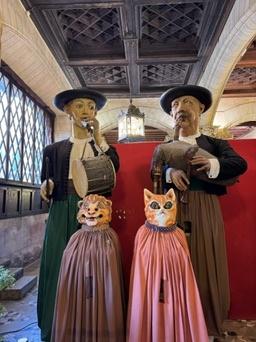
For some, hearing Catalan can initially feel unfamiliar, especially if they expect Spanish to be the only language spoken. Yet, this rarely causes frustration; shopkeepers, waiters, and hosts often switch seamlessly to Castilian or English to help tourists, making interactions smooth and welcoming. Festivals like Sant Sebastià in Palma or the Festa de l’Ametler in the Serra de Tramuntana offer visitors a vibrant soundtrack of Catalan songs and storytelling, deepening appreciation for the island’s traditions. Immersing in these moments often turns language curiosity into a highlight, enriching the journey far beyond sightseeing.
For some, hearing Catalan can initially feel unfamiliar, especially if they expect Spanish to be the only language spoken. Yet, this rarely causes frustration; shopkeepers, waiters, and hosts often switch seamlessly to Castilian or English to help tourists, making interactions smooth and welcoming. Festivals like Sant Sebastià in Palma or the Festa de l’Ametler in the Serra de Tramuntana offer visitors a vibrant soundtrack of Catalan songs and storytelling, deepening appreciation for the island’s traditions. Immersing in these moments often turns language curiosity into a highlight, enriching the journey far beyond sightseeing.

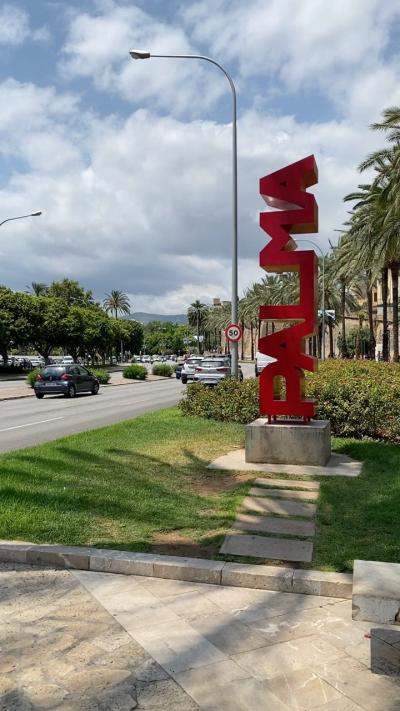
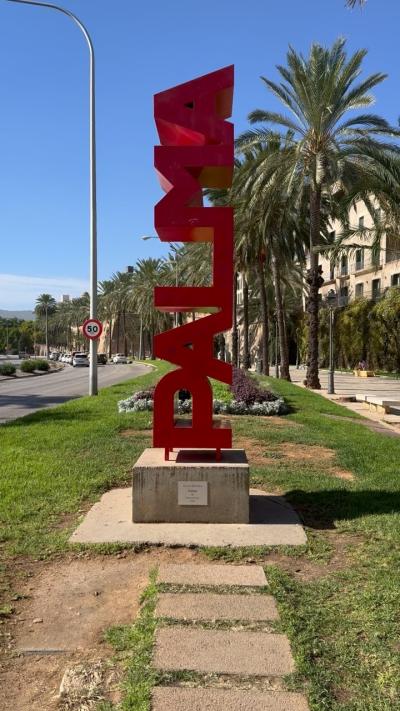
Palma
More Fotos