What is the history behind Mallorca's ceramic art?
Similar Topics
Mallorca ceramic art
ceramic history Mallorca
Mallorca pottery
traditional ceramics Mallorca
Moorish influence ceramics
siurell Mallorca
Pòrtol ceramics
Felanitx pottery
handmade ceramics Mallorca
Mallorca folk art
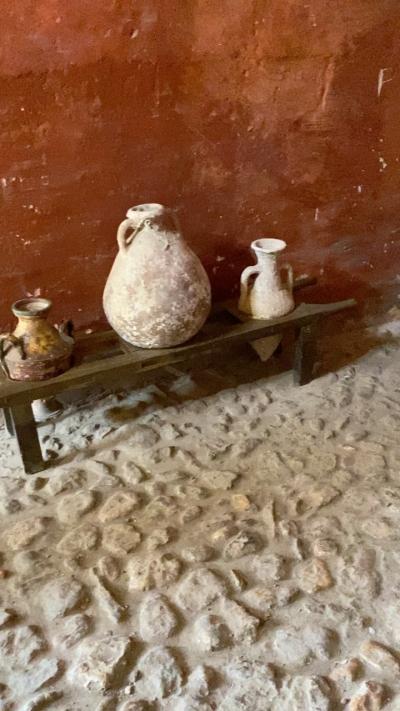
Mallorca's ceramic art boasts a rich history that reflects the island's diverse cultural influences and vibrant traditions. The origins of ceramic production in Mallorca can be traced back to the prehistoric Talaiotic culture, which utilized clay for functional and decorative items. However, it was during the Arab occupation from the 10th to the 13th centuries that the island saw a significant evolution in ceramic techniques and designs. The Moors introduced advanced methods of glazing and intricate patterns, which laid the groundwork for the distinctive style that would emerge in later centuries.
In the 13th century, after the Christian Reconquista, the ceramic industry flourished as local artisans began to blend Moorish influences with their own unique interpretations. This period saw the rise of traditional pottery styles, particularly in towns like Pòrtol and Felanitx, where craftsmen honed their skills and developed a reputation for high-quality ceramics. The iconic "siurell," a traditional whistle-shaped figure often adorned with colorful glazes, became a symbol of Mallorca's ceramic heritage, showcasing the island's folk art and craftsmanship.
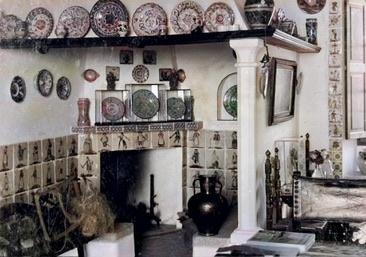
Throughout the 19th and 20th centuries, Mallorca's ceramic art continued to evolve, with artists experimenting with new forms and techniques while staying true to traditional methods. The revival of interest in local crafts led to a resurgence in popularity for handmade ceramics, and today, visitors can find a range of beautifully crafted pieces, from functional dinnerware to decorative tiles, often inspired by the island's stunning landscapes and cultural motifs. Exploring the local workshops and markets offers a delightful way to appreciate the artistry and history behind Mallorca's ceramics, making it an essential part of any visit to the island.
In the 13th century, after the Christian Reconquista, the ceramic industry flourished as local artisans began to blend Moorish influences with their own unique interpretations. This period saw the rise of traditional pottery styles, particularly in towns like Pòrtol and Felanitx, where craftsmen honed their skills and developed a reputation for high-quality ceramics. The iconic "siurell," a traditional whistle-shaped figure often adorned with colorful glazes, became a symbol of Mallorca's ceramic heritage, showcasing the island's folk art and craftsmanship.
Throughout the 19th and 20th centuries, Mallorca's ceramic art continued to evolve, with artists experimenting with new forms and techniques while staying true to traditional methods. The revival of interest in local crafts led to a resurgence in popularity for handmade ceramics, and today, visitors can find a range of beautifully crafted pieces, from functional dinnerware to decorative tiles, often inspired by the island's stunning landscapes and cultural motifs. Exploring the local workshops and markets offers a delightful way to appreciate the artistry and history behind Mallorca's ceramics, making it an essential part of any visit to the island.

More Fotos

Related Questions
Related Question
Are there any outdoor activities or sports events that attract tourists in Palma?
Related Question
Where can I find a good cafe or shops to relax near Palma’s old town after sightseeing?
Related Question
Are there any marathon events in Palma that attract international participants?