How do locals decide where to swim safely?
Similar Topics
safe swimming spots
local guidelines
designated swimming zones
water quality
surf reports
local fishermen
lifeguards
swimming areas
community events
water safety
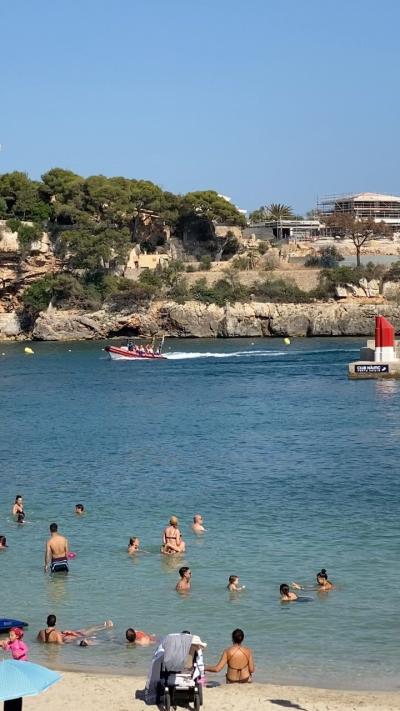
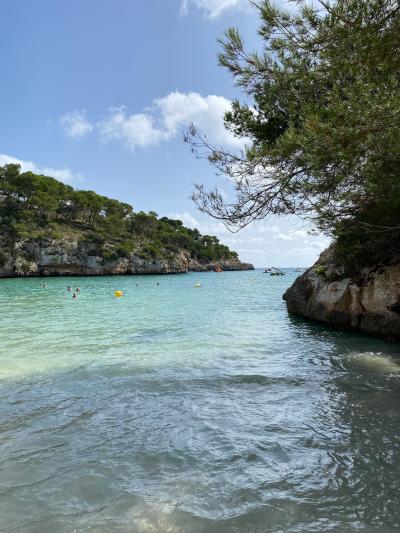
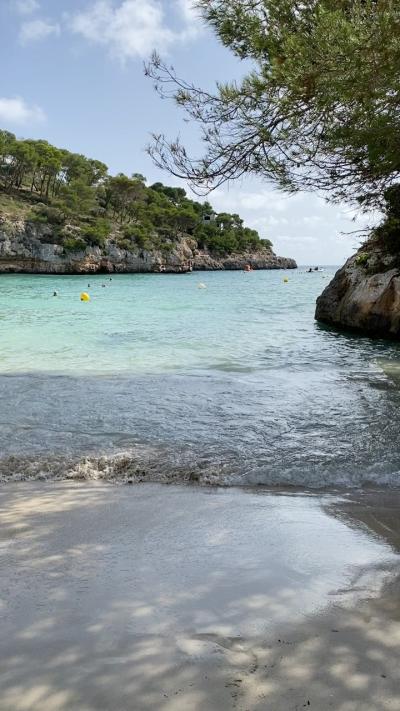
Locals often rely on a combination of experience, community knowledge, and local guidelines to determine safe swimming spots. Many coastal areas have designated swimming zones marked by buoys or flags, which indicate where it is safe to swim. These markers are usually placed in areas that are regularly monitored for water quality and currents. Before heading out, locals might check the weather and surf reports, as conditions can change rapidly and impact safety. Engaging with local fishermen or lifeguards can also provide valuable insights, as they are familiar with the tides and any potential hazards in the area.
In addition to using physical markers and community advice, locals are mindful of their surroundings. They pay attention to the behavior of other swimmers and the presence of lifeguards, as these factors often indicate a safe environment. Many communities also have established swimming areas that are well-known for their safety records, making it easier for residents to choose spots that are both enjoyable and secure. Lastly, some locals participate in community events or swimming clubs that focus on water safety, helping them stay informed about best practices and emerging concerns in their area. This collective knowledge fosters a culture of safety and respect for the water, making swimming a beloved activity for both locals and visitors alike.
In addition to using physical markers and community advice, locals are mindful of their surroundings. They pay attention to the behavior of other swimmers and the presence of lifeguards, as these factors often indicate a safe environment. Many communities also have established swimming areas that are well-known for their safety records, making it easier for residents to choose spots that are both enjoyable and secure. Lastly, some locals participate in community events or swimming clubs that focus on water safety, helping them stay informed about best practices and emerging concerns in their area. This collective knowledge fosters a culture of safety and respect for the water, making swimming a beloved activity for both locals and visitors alike.
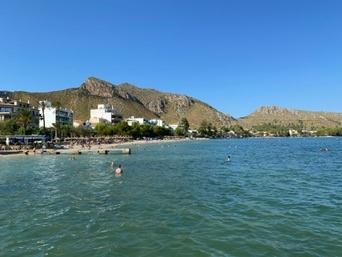
Port de Pollença
More Fotos