When is the best time to hike the coastal paths around Mallorca?
Similar Topics
mallorca coastal walks
tramuntana hiking
best hiking season
cala mondrago trail
formentor walks
pollenca views
tib bus hiking
summer hiking tips
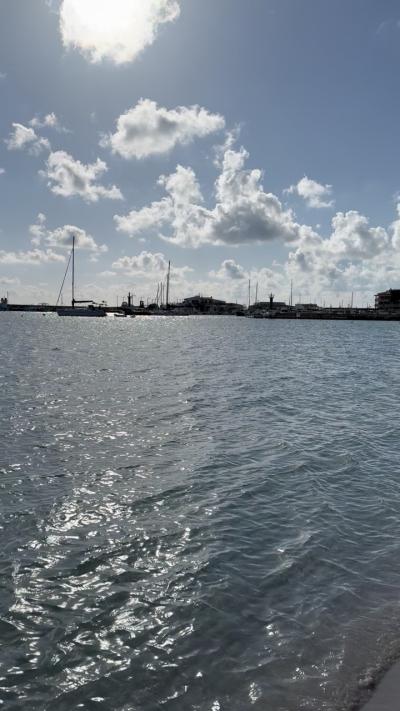
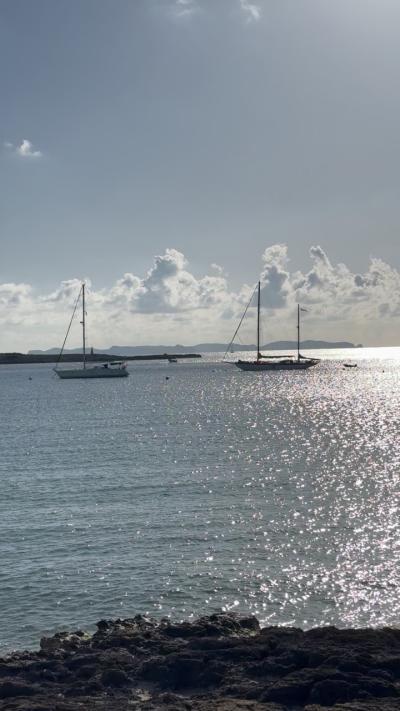
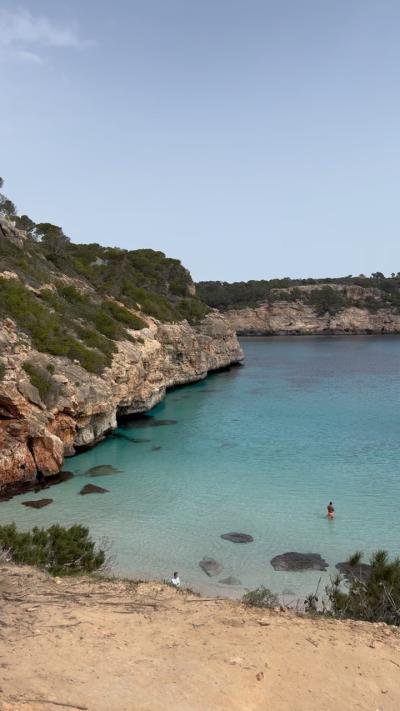
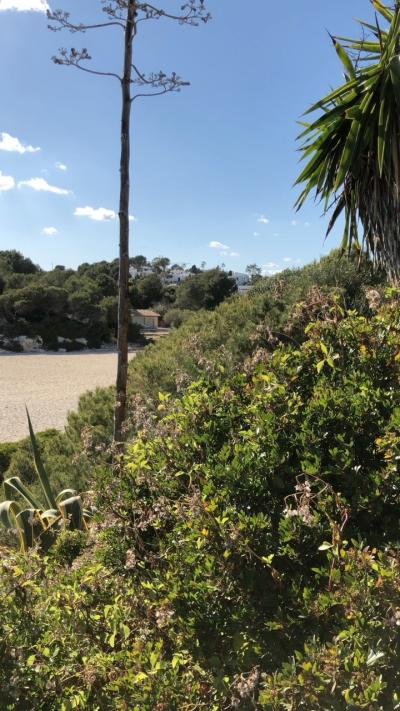
The charm of Mallorca’s coastal walks really unfolds outside the peak summer heat. Late spring, particularly May and early June, sees the island lush with wildflowers and the sea breeze cool enough to keep walks comfortable. Trails like those near Cala Mondrago or along the Tramuntana foothills are especially pleasant then, and you’ll find fewer tourists than in July or August.
Summer mornings and evenings can also be magical, though midday walks are often taxing in the hotter months. The scent of pine forests mingling with the salty sea air on routes near Formentor or Es Trenc adds a special richness to the experience. By September and into October, the crowds taper off and the warm sea still invites a refreshing dip after a day’s hike. The softer autumn light enhances views over the bay of Pollenca or the cliffs above Cala Llombards, perfect for photography.
Outside of the warm months, winters on the island are mild but can be wet and windy, which sometimes makes the coastal paths slippery. Still, the quiet of the shoulder seasons, combined with local festivals like the Festa de l’Ametler in blossoming Valldemossa, can add a delightful cultural dimension to your walks. Using the TIB buses or the scenic Soller railway to reach trailheads can help you avoid driving the winding Ma-10 and Ma-19 roads during busy periods.
Planning your coastal hike with the seasons in mind ensures you experience the natural beauty and vibrant local life of Mallorca at its best, whether you’re wandering the cliffs near Deia or meandering through the fishing villages of the north coast.
Summer mornings and evenings can also be magical, though midday walks are often taxing in the hotter months. The scent of pine forests mingling with the salty sea air on routes near Formentor or Es Trenc adds a special richness to the experience. By September and into October, the crowds taper off and the warm sea still invites a refreshing dip after a day’s hike. The softer autumn light enhances views over the bay of Pollenca or the cliffs above Cala Llombards, perfect for photography.
Outside of the warm months, winters on the island are mild but can be wet and windy, which sometimes makes the coastal paths slippery. Still, the quiet of the shoulder seasons, combined with local festivals like the Festa de l’Ametler in blossoming Valldemossa, can add a delightful cultural dimension to your walks. Using the TIB buses or the scenic Soller railway to reach trailheads can help you avoid driving the winding Ma-10 and Ma-19 roads during busy periods.
Planning your coastal hike with the seasons in mind ensures you experience the natural beauty and vibrant local life of Mallorca at its best, whether you’re wandering the cliffs near Deia or meandering through the fishing villages of the north coast.
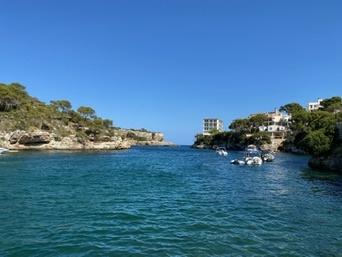
Cala Figuera
More Fotos