What is the history behind Mallorca’s traditional dishes like pa amb oli and sobrassada?
Similar Topics
pa amb oli
sobrassada
mallorca food
ensaimada
binissalem wine
hierbas liqueur
sant sebastià festival
festa de l’ametler
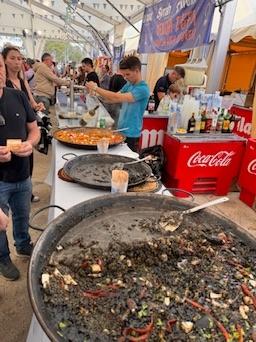
Many visitors arrive expecting Mallorca's cuisine to be all about tourist-friendly dishes, but the island’s culinary heritage is far richer and rooted in its rural past. Pa amb oli, a simple yet iconic snack of rustic bread rubbed with ripe tomatoes and drizzled with local olive oil, reflects the islanders' resourcefulness and love of fresh, local produce. It’s a staple in town markets, from Palma’s Mercat de l’Olivar to small village festivities, often served alongside a slab of sobrassada — a cured sausage seasoned with paprika and herbs that dates back centuries as a way to preserve pork meat.
Sobrassada’s distinctive softness and smoky flavor link directly to Mallorca’s traditional pig farming culture, especially around Manacor and inland villages, where each family once produced their own varieties. The same goes for ensaïmada, a sweet, spiral-shaped pastry whose Moorish influences hint at the island’s complex history. These staples are not merely dishes but reflections of Mallorca’s agricultural rhythms and culinary storytelling. They also play a vital role during island celebrations like Sant Sebastià in Palma, where you can sample them alongside local Binissalem wine or a shot of Hierbas, a pungent herbal liqueur.
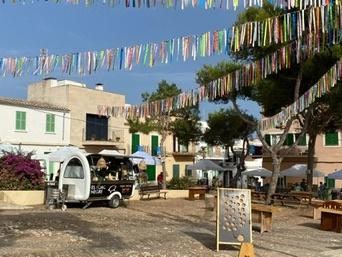
Locally, food is intertwined with family gatherings, festivals like Festa de l’Ametler in the Tramuntana foothills, and daily life, often enjoyed overlooking the coves of Cala Mondragó or the rugged Serra de Tramuntana. Understanding these dishes means appreciating how past generations used every ingredient, marrying simplicity with flavor and community tradition— values still alive in Mallorcan kitchens today.
Sobrassada’s distinctive softness and smoky flavor link directly to Mallorca’s traditional pig farming culture, especially around Manacor and inland villages, where each family once produced their own varieties. The same goes for ensaïmada, a sweet, spiral-shaped pastry whose Moorish influences hint at the island’s complex history. These staples are not merely dishes but reflections of Mallorca’s agricultural rhythms and culinary storytelling. They also play a vital role during island celebrations like Sant Sebastià in Palma, where you can sample them alongside local Binissalem wine or a shot of Hierbas, a pungent herbal liqueur.
Locally, food is intertwined with family gatherings, festivals like Festa de l’Ametler in the Tramuntana foothills, and daily life, often enjoyed overlooking the coves of Cala Mondragó or the rugged Serra de Tramuntana. Understanding these dishes means appreciating how past generations used every ingredient, marrying simplicity with flavor and community tradition— values still alive in Mallorcan kitchens today.
Alcanada
More Fotos