How did sailing ship designs develop around Mallorca during the 19th century?
- Mallorca sailing ships
- 19th century ship
- Palma shipyards
- Tramuntana coast vessels
- Mediterranean schooners
- Mallorca maritime history
- Traditional mallorca boats
- Binissalem wine trade
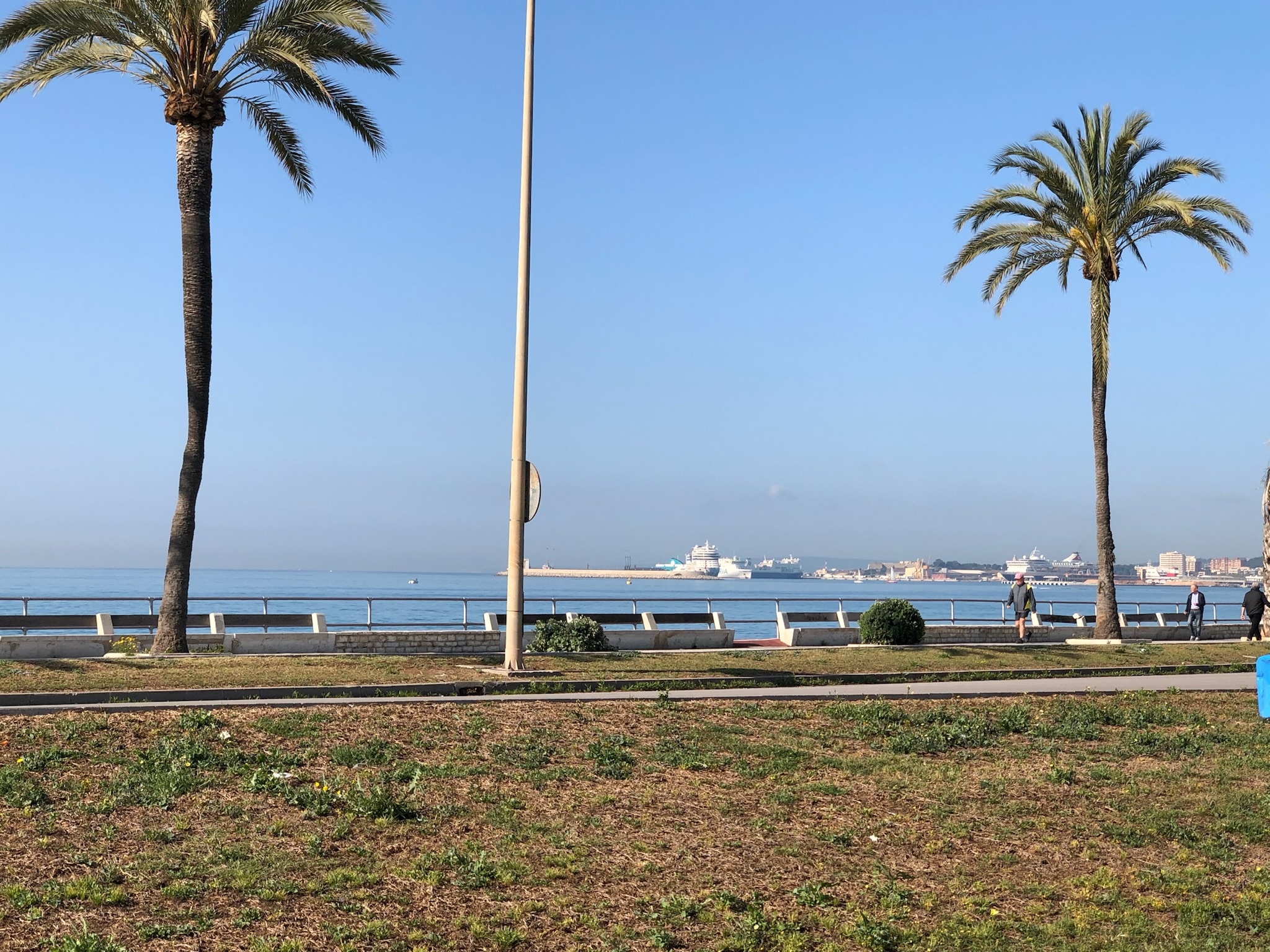
Along Mallorca’s rugged coastline and busy ports like Palma and Port de Sóller, traditional sailing vessels underwent notable changes throughout the 1800s as the island’s maritime needs evolved. Early in the century, vessels were predominantly Mediterranean-style schooners and feluccas, designed to navigate the island’s coastal trade routes and fishing grounds. These ships were built for reliability rather than speed, with broad hulls and simple rigging suited to the unpredictable winds around the Serra de Tramuntana and the sheltered coves such as Cala Mondragó.
As the century progressed, the growing export of goods like olives, almonds, and wine—particularly from the Binissalem region—drove demand for faster sailing ships. This period saw the introduction of more streamlined hulls and expanded sail areas, inspired in part by clippers in other Mediterranean ports. Palma’s shipyards adapted by blending these new designs with local craftsmanship, producing vessels capable of quicker passages to mainland Spain and North Africa, vital for trade and island connectivity.
Later in the 19th century, steamships began to arrive in Mallorca’s harbors, but sailing ships remained essential for many routes around the island’s rugged east coast, including trips to Manacor and the quieter beaches of Cala Llombards. The integration of iron elements into wooden hulls improved durability against the salty sea, especially along the exposed Ma-10 road stretch near Formentor. By century’s end, some vessels combined traditional sails with steam engines, reflecting the island’s gradual embrace of maritime modernization without abandoning its rich nautical heritage.
Today, old sailing ships preserved in maritime museums and traditional festivals like Nit de Foc recall this era of transition. They stand as reminders of the islanders’ enduring relationship with the sea, from balancing wind and waves to navigating trade winds that shaped Mallorca’s economic and cultural history.