What kind of wildlife might I see while hiking in the Serra de Tramuntana?
Similar Topics
wildlife serra tramuntana
peregrine falcon
balearic midwife toad
ibizan wall lizard
red fox mallorca
birdwatching mallorca
pollenca nature
deia hiking
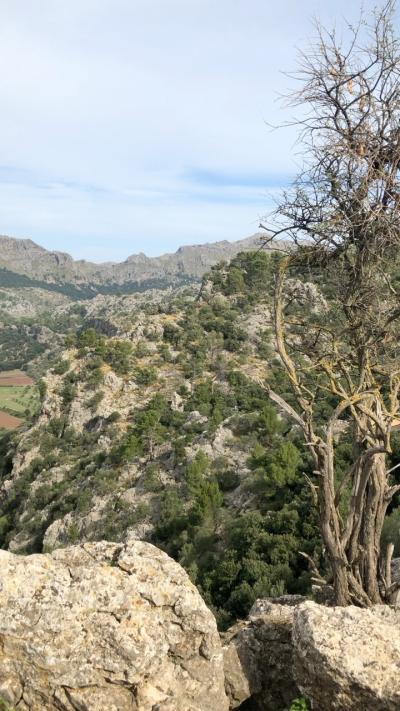
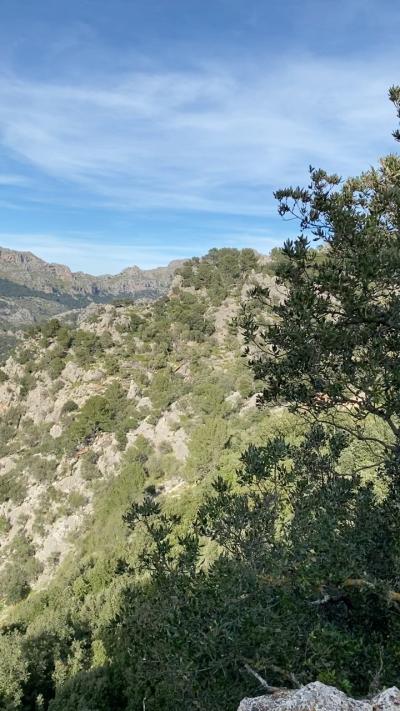
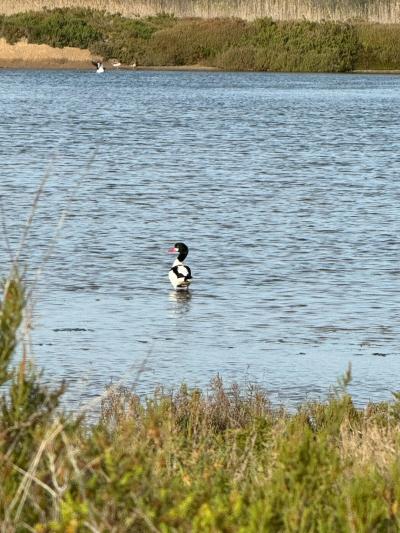
Locals often enjoy spotting wildlife during hikes along the Serra de Tramuntana without making a fuss over every sighting. The rugged mountain range is home to a variety of species adapted to its Mediterranean climate and rocky terrain. You may encounter the curious Balearic midwife toad near streams or hidden in shaded spots, and Ibizan wall lizards darting across sun-warmed rocks. Birdlife is especially rewarding; look out for peregrine falcons soaring above the cliffs or black vultures circling lazily on the thermal currents.
In the woodlands and scrub near villages like Valldemossa, Deia, and Soller, red foxes and weasels are elusive but present, mainly active at dawn and dusk. The pine and oak forests shelter diverse songbirds such as the Sardinian warbler and the colorful hoopoe. If you’re exploring in spring or early summer, the almond trees around Pollenca and Alcudia attract butterflies and bees, signaling the island’s buzzing natural rhythms.
While the island lacks large mammals, signs of wildlife are often subtle—tracks in soft earth beside the MA-10 road or rustling leaves along a quiet trail. Early morning or late afternoon are particularly good times to listen for the calls of crested tits or spot kestrels hunting in open fields. Those willing to be patient and quiet will find the Serra de Tramuntana’s wildlife a modest but enchanting companion to the spectacular landscape.
In the woodlands and scrub near villages like Valldemossa, Deia, and Soller, red foxes and weasels are elusive but present, mainly active at dawn and dusk. The pine and oak forests shelter diverse songbirds such as the Sardinian warbler and the colorful hoopoe. If you’re exploring in spring or early summer, the almond trees around Pollenca and Alcudia attract butterflies and bees, signaling the island’s buzzing natural rhythms.
While the island lacks large mammals, signs of wildlife are often subtle—tracks in soft earth beside the MA-10 road or rustling leaves along a quiet trail. Early morning or late afternoon are particularly good times to listen for the calls of crested tits or spot kestrels hunting in open fields. Those willing to be patient and quiet will find the Serra de Tramuntana’s wildlife a modest but enchanting companion to the spectacular landscape.

Sa Calobra
More Fotos