What is the history behind the famous "ensaimada" pastry?
Similar Topics
ensaimada pastry
Mallorca history
Balearic Islands gastronomy
traditional Spanish desserts
Mallorca bakeries
local delicacies Mallorca
cultural influences Mallorca
spiral-shaped pastry
festive treats Spain
Mallorcan cuisine
The ensaimada is a delightful pastry that hails from the Balearic Islands of Spain, particularly Mallorca, where it has become a symbol of local gastronomy. Its origins can be traced back to the 17th century, during a time when the island was heavily influenced by various cultures, including the Moors. The name "ensaimada" derives from the word "saïm," which refers to the lard traditionally used in its preparation, giving the pastry its characteristic flaky texture. Over the years, the recipe has evolved, and while lard was once the primary fat, many modern variations use butter or other oils.
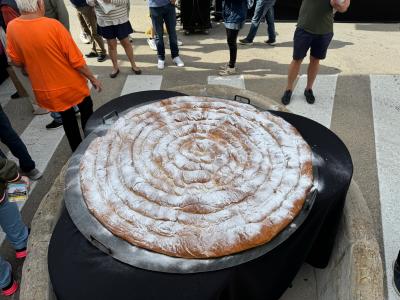
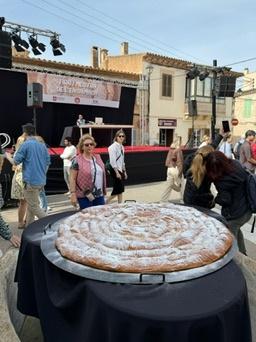
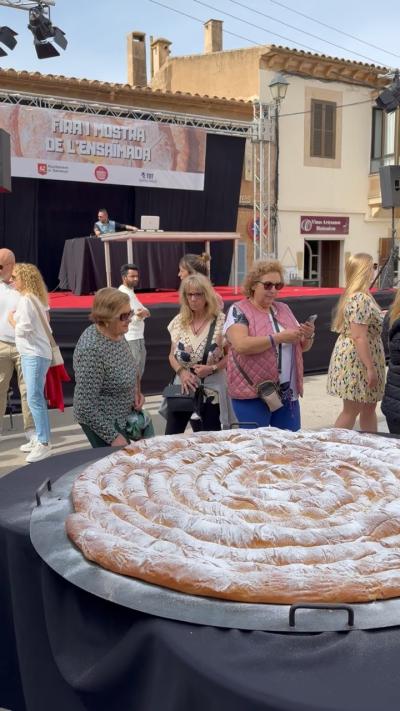
Traditionally, ensaimadas are spiral-shaped and are often dusted with powdered sugar. They can be enjoyed plain or filled with a variety of ingredients, such as sweet pumpkin or chocolate. The pastry is typically served during festive occasions and is a popular treat during Christmas, but locals and tourists alike savor it year-round. The craftsmanship involved in making ensaimadas is significant, with bakers often hand-rolling the dough to achieve that iconic spiral shape and light texture.
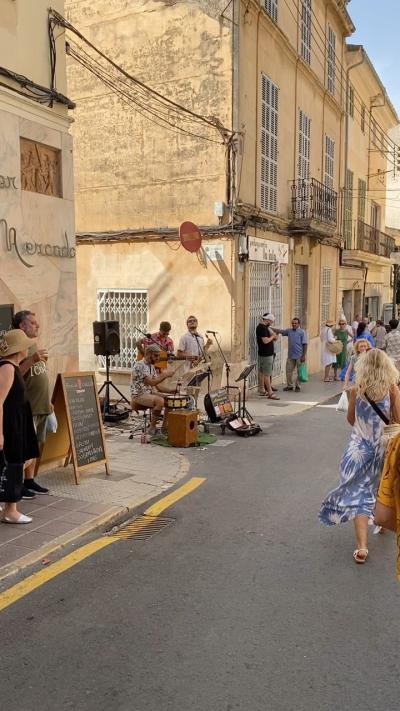
As you wander through the charming streets of Mallorca, you’ll find numerous bakeries proudly displaying their freshly baked ensaimadas, inviting you to indulge in this local delicacy. Pairing it with a cup of coffee or a glass of horchata makes for a delightful experience that captures the essence of Mallorcan culture. Whether you’re savoring your first bite or reminiscing about past travels, the ensaimada is more than just a pastry; it’s a taste of history and tradition that has been lovingly passed down through generations.
Traditionally, ensaimadas are spiral-shaped and are often dusted with powdered sugar. They can be enjoyed plain or filled with a variety of ingredients, such as sweet pumpkin or chocolate. The pastry is typically served during festive occasions and is a popular treat during Christmas, but locals and tourists alike savor it year-round. The craftsmanship involved in making ensaimadas is significant, with bakers often hand-rolling the dough to achieve that iconic spiral shape and light texture.
As you wander through the charming streets of Mallorca, you’ll find numerous bakeries proudly displaying their freshly baked ensaimadas, inviting you to indulge in this local delicacy. Pairing it with a cup of coffee or a glass of horchata makes for a delightful experience that captures the essence of Mallorcan culture. Whether you’re savoring your first bite or reminiscing about past travels, the ensaimada is more than just a pastry; it’s a taste of history and tradition that has been lovingly passed down through generations.
More Fotos