How do restaurants in Mallorca typically highlight local ingredients in their dishes?
Similar Topics
local ingredients
mallorca dishes
sobrassada
binissalem wine
tumbet
pa amb oli
serra de tramuntana
mallorca food
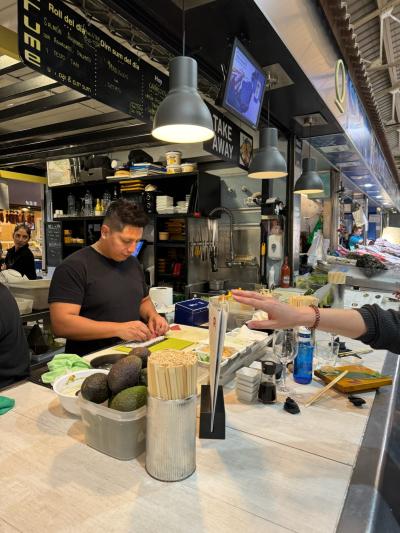
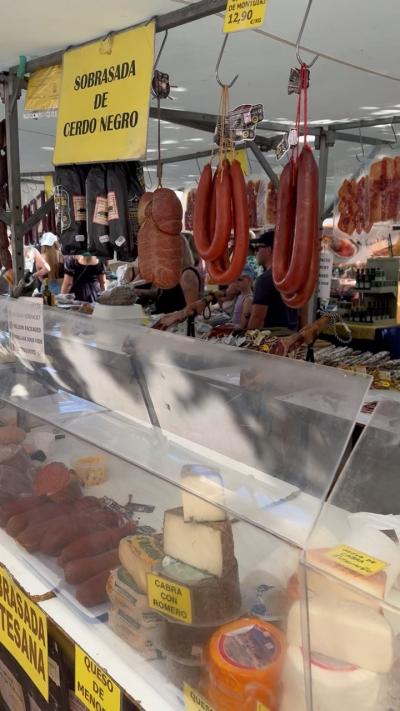
In most Mallorcan kitchens, the essence of the island’s rich agricultural traditions comes alive through fresh, locally sourced ingredients. Many chefs pride themselves on using produce from nearby farms in the Pla de Mallorca and the fertile lands surrounding Manacor, incorporating staples like ripe tomatoes, bell peppers, and artichokes to create classic dishes such as tumbet and pa amb oli. Sobrassada, the island’s famed cured sausage, often appears alongside fresh bread and local Binissalem wines, forging a deeply authentic culinary experience rooted in the island’s heritage.
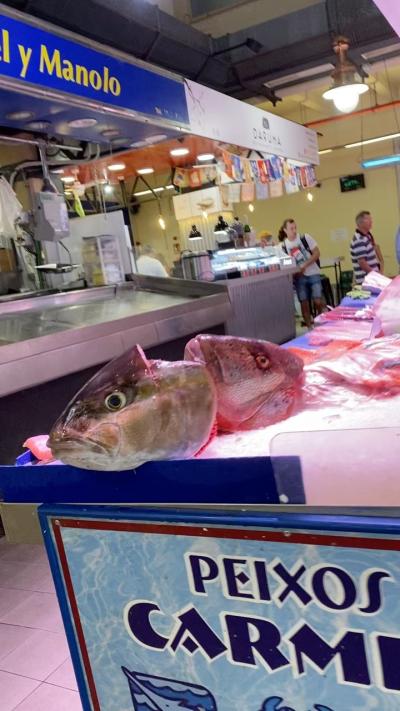
Traditional recipes and seasonal availability guide menus throughout the island’s dining scene, with coastal towns like Pollensa and Alcudia offering fresh fish straight from the Mediterranean. This strong locavore ethos encourages chefs to collaborate with artisans and fishermen, ensuring daily specials often reflect whatever is best at local markets. From the olive groves in the Serra de Tramuntana to farms near the Ma-13, sustainable and ecological practices are increasingly valued, lending Mallorca’s cuisine a refined yet rustic character.
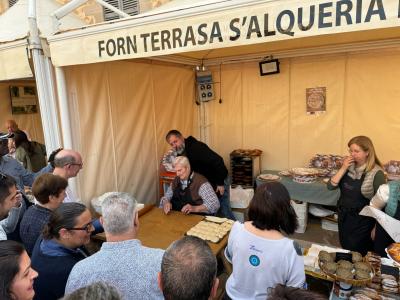
Beyond ingredients, many establishments also embrace traditional cooking methods passed down through generations, presenting dishes that honor Mallorca’s past while adapting to modern palates. The atmosphere of these restaurants, whether in Palma’s vibrant old town or a quiet cove such as Cala Mondrago, often showcases local arts and crafts, further grounding the dining experience in the island’s unique culture. Guests savoring a glass of Palo or a handmade ensaimada alongside their meal find themselves immersed in an authentic celebration of Mallorca’s culinary roots.
Traditional recipes and seasonal availability guide menus throughout the island’s dining scene, with coastal towns like Pollensa and Alcudia offering fresh fish straight from the Mediterranean. This strong locavore ethos encourages chefs to collaborate with artisans and fishermen, ensuring daily specials often reflect whatever is best at local markets. From the olive groves in the Serra de Tramuntana to farms near the Ma-13, sustainable and ecological practices are increasingly valued, lending Mallorca’s cuisine a refined yet rustic character.
Beyond ingredients, many establishments also embrace traditional cooking methods passed down through generations, presenting dishes that honor Mallorca’s past while adapting to modern palates. The atmosphere of these restaurants, whether in Palma’s vibrant old town or a quiet cove such as Cala Mondrago, often showcases local arts and crafts, further grounding the dining experience in the island’s unique culture. Guests savoring a glass of Palo or a handmade ensaimada alongside their meal find themselves immersed in an authentic celebration of Mallorca’s culinary roots.

More Fotos



Related Questions
Related Question
Which towns or villages nearby are worth exploring while hiking in the Serra de Tramuntana?
Related Question
Where can I find help or information if I need assistance during my trip to Mallorca but it's not an emergency?
Related Question
Are there any nearby attractions or towns worth visiting after I see the mirador?