What were the key historical events that shaped Mallorca's identity over the centuries?
Similar Topics
Mallorca history
Talaiotic people
Phoenicians influence
Roman city Pollentia
Moorish culture
Reconquista Mallorca
Christian and Moorish blend
Mallorca tourism
Mallorca architecture
Mediterranean identity
Mallorca's identity has been profoundly shaped by a series of key historical events that reflect its strategic location in the Mediterranean. Initially settled by the Talaiotic people around 2000 BC, the island saw the influence of various civilizations, including the Phoenicians and Romans, who recognized its potential as a trading hub. The Romans established a significant presence, transforming the island into an important agricultural center and leaving behind impressive remnants, such as the ruins of the Roman city of Pollentia.
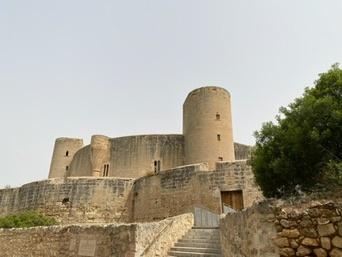
The arrival of the Moors in the 8th century marked a pivotal period in Mallorca's history. They introduced advanced agricultural techniques, irrigation systems, and a flourishing culture that thrived for nearly three centuries. This era left a lasting imprint on the island’s architecture, language, and traditions. The Reconquista in the 13th century saw the Christian conquest led by King James I of Aragon, which not only altered the governance of the island but also initiated a blend of Christian and Moorish influences that continue to define Mallorcan culture today.
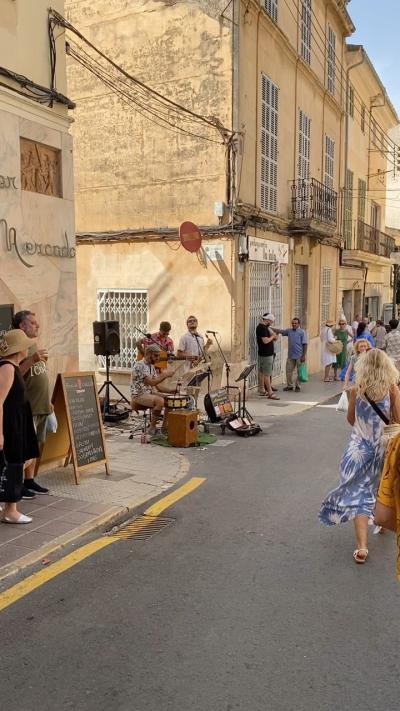
In the following centuries, Mallorca faced various challenges, including piracy and economic decline. However, the 18th century brought a resurgence through trade and tourism, especially as the island became a favored destination for European aristocrats. The 20th century witnessed significant changes with the rise of mass tourism, which transformed the local economy and brought international attention to its stunning landscapes and rich heritage. Today, Mallorca stands as a vibrant blend of its historical legacies, offering visitors a unique glimpse into its diverse past while celebrating its modern identity.
The arrival of the Moors in the 8th century marked a pivotal period in Mallorca's history. They introduced advanced agricultural techniques, irrigation systems, and a flourishing culture that thrived for nearly three centuries. This era left a lasting imprint on the island’s architecture, language, and traditions. The Reconquista in the 13th century saw the Christian conquest led by King James I of Aragon, which not only altered the governance of the island but also initiated a blend of Christian and Moorish influences that continue to define Mallorcan culture today.
In the following centuries, Mallorca faced various challenges, including piracy and economic decline. However, the 18th century brought a resurgence through trade and tourism, especially as the island became a favored destination for European aristocrats. The 20th century witnessed significant changes with the rise of mass tourism, which transformed the local economy and brought international attention to its stunning landscapes and rich heritage. Today, Mallorca stands as a vibrant blend of its historical legacies, offering visitors a unique glimpse into its diverse past while celebrating its modern identity.

More Fotos