What distinctive natural coastal features can I explore around Mallorca?
Similar Topics
mallorca coastline
tramuntana cliffs
formentor sea stacks
cala mondrago tide
es trenc dunes
ma-10 road
cala llombards
coastal hiking
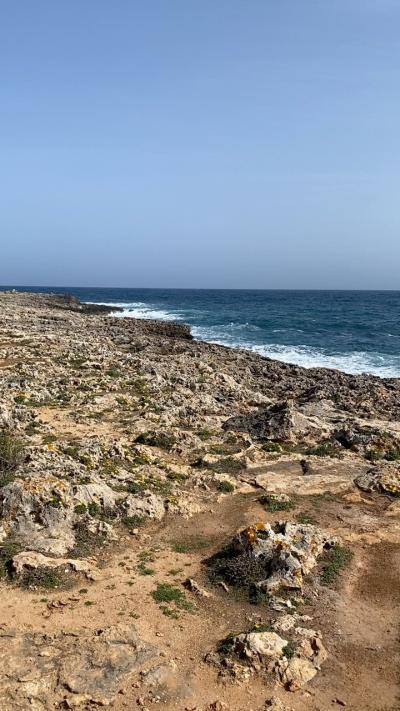
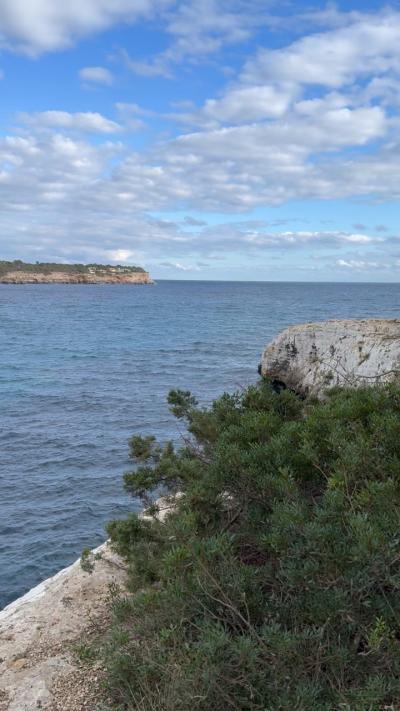
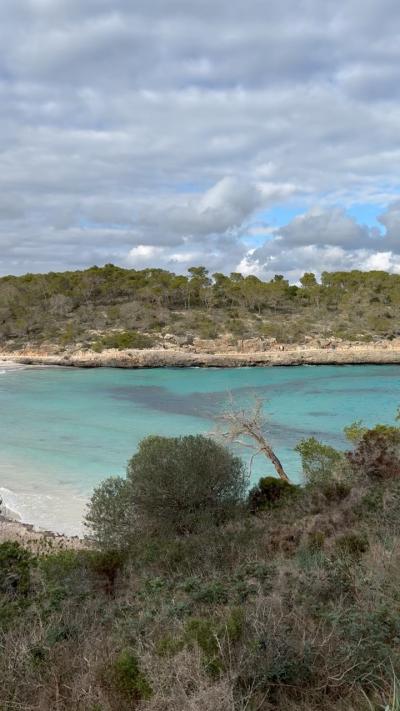
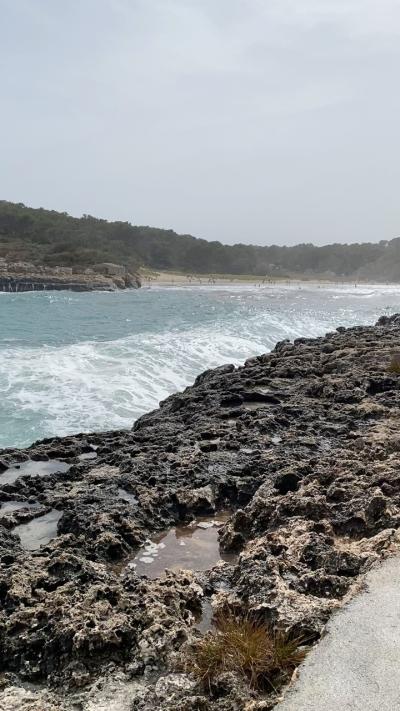
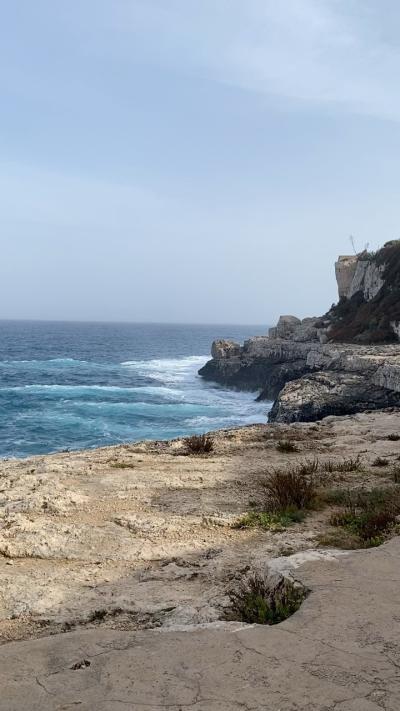
The rugged coastline of Mallorca reveals its dramatic story through striking natural features carved over thousands of years. Near Formentor on the north coast, towering cliffs plunge sharply into the Mediterranean, their craggy faces softened by pines and aromatic shrubs. These elevated viewpoints offer sweeping panoramas where the light shifts beautifully at dawn and dusk, attracting photographers and walkers keen to witness the island’s wild edge. Along the Tramuntana range’s seaside reaches near Sóller, limestone cliffs create deep coves that shelter turquoise waters, some only accessible by boat or foot, such as Cala Deia or Cala Tuent.
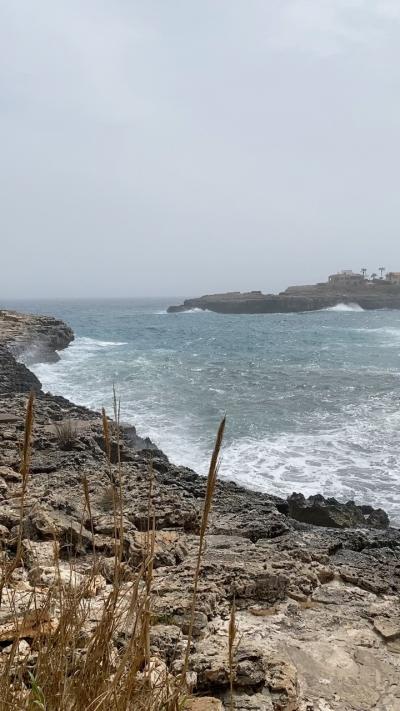
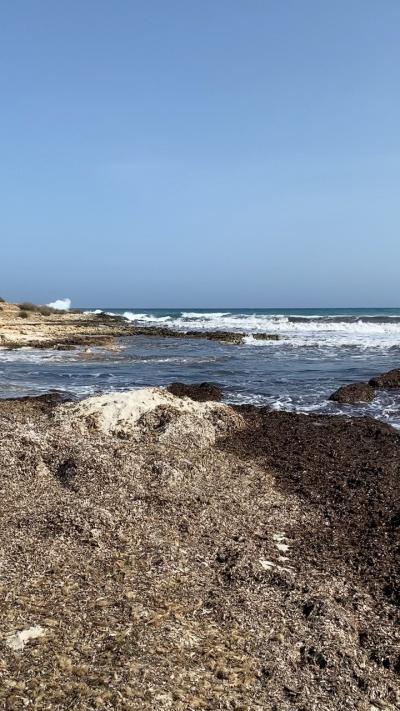
Sea stacks punctuate the shorelines near Cap de Formentor and the southeast beaches like Cala Llombards, standing as proud stone pillars worn by relentless waves. Tide pools at places like Cala Mondragó invite exploration, revealing starfish, anemones, and crabs in their miniature marine worlds. Moving towards Es Trenc, sand dunes form a shifting, golden buffer between pine forests and crystalline waters, a rare natural habitat that adds a dynamic element to the island’s southern shores. Along parts of the Ma-10 road, natural arches and blowholes sculpted by wave action produce sudden sprays of seawater, a reminder of the ocean’s constant power.
These coastlines, beyond their beauty, encapsulate a geological history that invites curiosity and respect. Whether hiking the coastal paths connecting Pollença and Alcudia, or gazing out from Valldemossa’s heights toward Cala Deià, visitors find more than just views—they discover living landscapes shaped by time and tide, each corner with a story waiting for those willing to seek it out.
Sea stacks punctuate the shorelines near Cap de Formentor and the southeast beaches like Cala Llombards, standing as proud stone pillars worn by relentless waves. Tide pools at places like Cala Mondragó invite exploration, revealing starfish, anemones, and crabs in their miniature marine worlds. Moving towards Es Trenc, sand dunes form a shifting, golden buffer between pine forests and crystalline waters, a rare natural habitat that adds a dynamic element to the island’s southern shores. Along parts of the Ma-10 road, natural arches and blowholes sculpted by wave action produce sudden sprays of seawater, a reminder of the ocean’s constant power.
These coastlines, beyond their beauty, encapsulate a geological history that invites curiosity and respect. Whether hiking the coastal paths connecting Pollença and Alcudia, or gazing out from Valldemossa’s heights toward Cala Deià, visitors find more than just views—they discover living landscapes shaped by time and tide, each corner with a story waiting for those willing to seek it out.
More Fotos