How has the wine industry in Mallorca evolved over the years?
Similar Topics
Mallorca wine industry
Mallorca vineyards
wine tourism Mallorca
indigenous grape varieties
Manto Negro grape
Callet grape
sustainable winemaking
organic farming Mallorca
wine tasting Mallorca
Mallorca wine culture
The wine industry in Mallorca has undergone a remarkable transformation over the years, evolving from a largely traditional and local practice into a vibrant sector that attracts attention from connoisseurs around the world. Historically, Mallorca had a flourishing wine culture that dates back to the Phoenician and Roman times, with vineyards dotting the landscape. However, by the mid-20th century, the industry faced challenges due to the rise of mass-produced wines and changing agricultural practices. This led to a decline in quality and a loss of local identity in the wines produced on the island.
In recent decades, a renewed interest in local viticulture has sparked a significant revival. Many winemakers began to focus on indigenous grape varieties such as Manto Negro and Callet, emphasizing the unique terroir of Mallorca. This shift towards quality over quantity has been complemented by modern winemaking techniques, which have helped to produce wines that are both expressive and sophisticated. Furthermore, the island's diverse climate and varied soils contribute to a wide range of wine styles, from crisp whites to robust reds and delightful rosés.
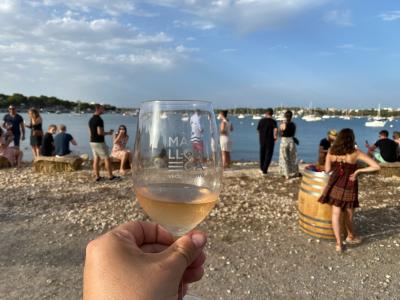
Today, Mallorca's wine scene is characterized by a growing number of boutique wineries and a strong emphasis on sustainable practices. Many vineyards have embraced organic and biodynamic farming, further enhancing their appeal to eco-conscious travelers and wine lovers. The island has also become a popular destination for wine tourism, with numerous wine tours and tastings available for visitors eager to explore the local offerings. As a result, Mallorca has successfully carved out a niche for itself in the global wine market, showcasing its rich heritage while embracing modern innovations. This evolution not only reflects the resilience of its winemakers but also adds a rich layer to the cultural tapestry of the island, making it a must-visit for anyone interested in the art of wine.
In recent decades, a renewed interest in local viticulture has sparked a significant revival. Many winemakers began to focus on indigenous grape varieties such as Manto Negro and Callet, emphasizing the unique terroir of Mallorca. This shift towards quality over quantity has been complemented by modern winemaking techniques, which have helped to produce wines that are both expressive and sophisticated. Furthermore, the island's diverse climate and varied soils contribute to a wide range of wine styles, from crisp whites to robust reds and delightful rosés.
Today, Mallorca's wine scene is characterized by a growing number of boutique wineries and a strong emphasis on sustainable practices. Many vineyards have embraced organic and biodynamic farming, further enhancing their appeal to eco-conscious travelers and wine lovers. The island has also become a popular destination for wine tourism, with numerous wine tours and tastings available for visitors eager to explore the local offerings. As a result, Mallorca has successfully carved out a niche for itself in the global wine market, showcasing its rich heritage while embracing modern innovations. This evolution not only reflects the resilience of its winemakers but also adds a rich layer to the cultural tapestry of the island, making it a must-visit for anyone interested in the art of wine.
Cala Marçal
More Fotos