How has the wine-making tradition in Binissalem evolved over the years?
Similar Topics
Binissalem wine
Mallorca wineries
wine tourism Mallorca
Manto Negro grape
Callet grape
Mallorca travel
organic wine production
sustainable viniculture
Mallorca wine history
wine tasting Binissalem
The wine-making tradition in Binissalem, a picturesque village in Mallorca, has a rich history that dates back to the Roman era, when the region was first recognized for its fertile soil and favorable climate. Over the centuries, the art of viniculture evolved significantly, influenced by both local practices and broader trends in the wine industry. By the 19th century, Binissalem had established itself as a key player in Mallorca's wine production, with vineyards flourishing and a growing reputation for quality wines, particularly those made from indigenous grape varieties such as Manto Negro and Callet.
In recent decades, the wine scene in Binissalem has seen a renaissance, marked by a renewed focus on traditional methods combined with modern techniques. Many local wineries have embraced organic and sustainable practices, reflecting a growing global trend towards environmentally conscious wine production. This has not only enhanced the quality of the wines but also attracted a new generation of winemakers who are eager to innovate while respecting the region's heritage. As a result, Binissalem wines are now celebrated both locally and internationally, showcasing a unique blend of Mallorcan terroir and craftsmanship.
Additionally, the introduction of wine tourism has further enriched the wine-making tradition in Binissalem. Visitors can enjoy guided tours through the vineyards, participate in tastings, and learn about the meticulous processes involved in wine production. This interaction has helped foster a deeper appreciation for the region's wines and encouraged a sense of community among local producers. Today, Binissalem stands as a vibrant hub for wine enthusiasts, where tradition and innovation coalesce to create exceptional wines that tell the story of this charming Mallorca village.
In recent decades, the wine scene in Binissalem has seen a renaissance, marked by a renewed focus on traditional methods combined with modern techniques. Many local wineries have embraced organic and sustainable practices, reflecting a growing global trend towards environmentally conscious wine production. This has not only enhanced the quality of the wines but also attracted a new generation of winemakers who are eager to innovate while respecting the region's heritage. As a result, Binissalem wines are now celebrated both locally and internationally, showcasing a unique blend of Mallorcan terroir and craftsmanship.
Additionally, the introduction of wine tourism has further enriched the wine-making tradition in Binissalem. Visitors can enjoy guided tours through the vineyards, participate in tastings, and learn about the meticulous processes involved in wine production. This interaction has helped foster a deeper appreciation for the region's wines and encouraged a sense of community among local producers. Today, Binissalem stands as a vibrant hub for wine enthusiasts, where tradition and innovation coalesce to create exceptional wines that tell the story of this charming Mallorca village.
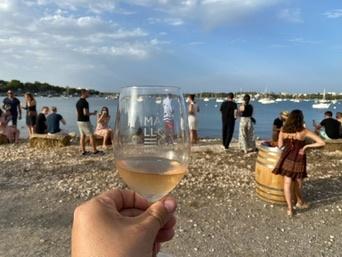
Cala Marçal
More Fotos