Can I arrange travel routes on Mallorca that highlight its historical landmarks and cultural traditions?
Similar Topics
mallorca history
cultural routes mallorca
palma cathedral
serra de tramuntana
local festivals mallorca
sobrassada mallorca
binissalem wine
soller railway
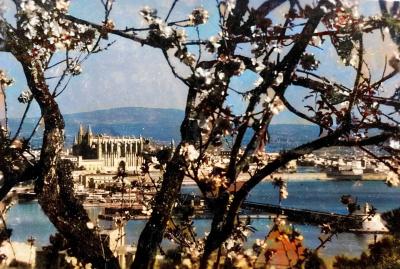
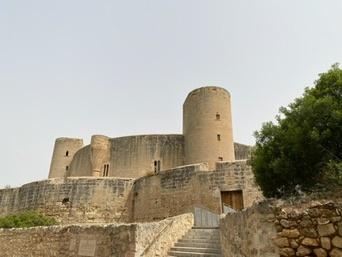
Planning a route that weaves through Mallorca’s history and culture can be deeply rewarding, especially when you allocate enough time to roam beyond the well-trodden paths. Many travelers begin in Palma, where the imposing Gothic cathedral and the medieval Almudaina palace set a historic tone. The old town’s narrow streets also reveal charming art galleries and artisan shops carrying the island’s creative pulse. From there, following the Ma-10 into the Serra de Tramuntana, villages like Valldemossa and Deia offer a glimpse of traditional stone architecture alongside stories of famous residents like Chopin and Robert Graves.
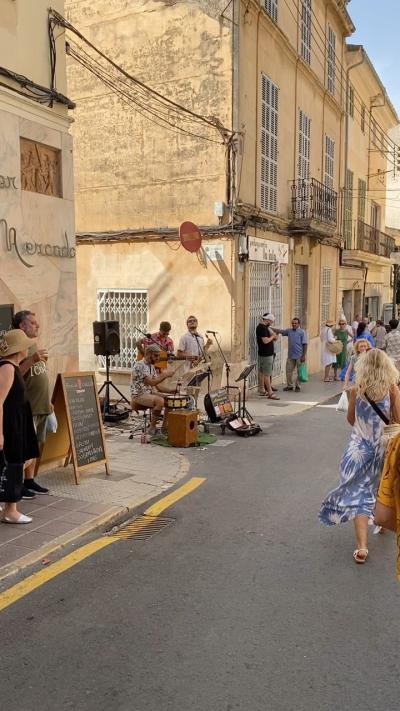
To experience cultural life more intimately, schedule a visit during a local festival like Sant Sebastià in Palma, which blends music, fire displays, and street parties. Food plays a key role too – try traditional dishes such as tumbet or savor sobrassada at local markets. For a taste of Mallorca’s wine heritage, a stop in Binissalem showcases vineyards where you can sample native varietals. Public transport options like the TIB bus network provide access to smaller towns and heritage sites without the stress of driving.
Engaging a guide or booking themed walking tours can illuminate the layers of history embedded in places like the Roman ruins near Pollenca or the artisan workshops in Soller. These experts often include stops to try local specialities like pa amb oli and explain customs tied to the island’s identity. Whether you choose to explore on foot, by bike, or via the charming Soller railway, crafting an itinerary focused on Mallorca’s cultural and historical richness is more than possible—it’s the best way to grasp its enduring spirit.
To experience cultural life more intimately, schedule a visit during a local festival like Sant Sebastià in Palma, which blends music, fire displays, and street parties. Food plays a key role too – try traditional dishes such as tumbet or savor sobrassada at local markets. For a taste of Mallorca’s wine heritage, a stop in Binissalem showcases vineyards where you can sample native varietals. Public transport options like the TIB bus network provide access to smaller towns and heritage sites without the stress of driving.
Engaging a guide or booking themed walking tours can illuminate the layers of history embedded in places like the Roman ruins near Pollenca or the artisan workshops in Soller. These experts often include stops to try local specialities like pa amb oli and explain customs tied to the island’s identity. Whether you choose to explore on foot, by bike, or via the charming Soller railway, crafting an itinerary focused on Mallorca’s cultural and historical richness is more than possible—it’s the best way to grasp its enduring spirit.

More Fotos



Related Questions
Related Question
How long does it usually take to hike up Puig Major, the highest peak on Mallorca?
Related Question
Where are some safe and suitable rock climbing spots for beginners and families on Mallorca?
Related Question
Are there any scenic viewpoints worth visiting while hiking in the Serra de Tramuntana?