What traditional design features in Mallorcan fincas reflect the local culture and heritage?
Similar Topics
mallorcan finca
serra de tramuntana
local artisans
traditional architecture
handcrafted furniture
binissalem wine
mediterranean herbs
terracotta roofs
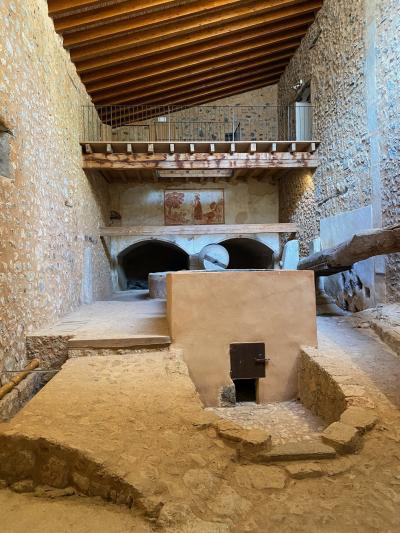
If you’re staying in one of the island’s traditional fincas, you’ll notice how their architecture and interiors tell stories of Mallorca’s rural heritage. Thick stone walls and slatted wooden shutters, set beneath classic terracotta roofs, bring a timeless charm that also helps keep the interiors cool during sizzling summer afternoons. These buildings often perch on terraces carved into the Serra de Tramuntana, blending effortlessly with olive groves and almond trees, the backbone of local agriculture.
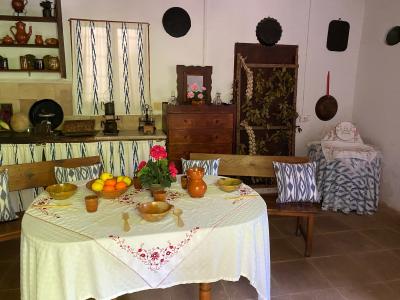
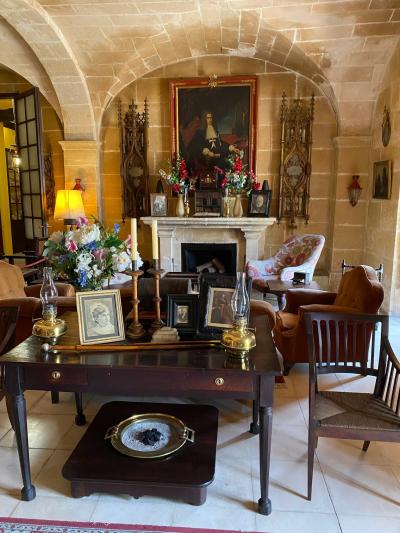
Inside, expect to find handcrafted wooden furniture, often made by local artisans from olive or pine wood, coupled with earthenware pots and ceramics that echo the patterns seen in rustic markets. Whitewashed walls are frequently contrasted with vivid textiles—like those used in traditional festival costumes—bringing bursts of color to the calm, sun-drenched rooms. Pa amb oli baskets and palm fronds add a touch of authenticity, while subtle nods to the island’s craft traditions appear in details like handwoven rugs and wrought iron fixtures.
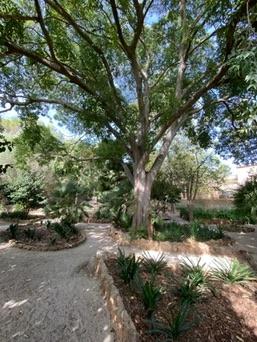
Outdoor spaces reveal another facet of Mallorcan culture, with scented herb gardens featuring rosemary, lavender, and thyme—plants that thrive on the dry, rocky soil and are staples of the Mediterranean diet. Vineyards nearby, especially in areas like Binissalem, underscore the close relationship between the land and local winemaking traditions. Together, these elements create a peaceful retreat where every detail vibrates with the island’s agricultural rhythms and artisanal spirit.
Inside, expect to find handcrafted wooden furniture, often made by local artisans from olive or pine wood, coupled with earthenware pots and ceramics that echo the patterns seen in rustic markets. Whitewashed walls are frequently contrasted with vivid textiles—like those used in traditional festival costumes—bringing bursts of color to the calm, sun-drenched rooms. Pa amb oli baskets and palm fronds add a touch of authenticity, while subtle nods to the island’s craft traditions appear in details like handwoven rugs and wrought iron fixtures.
Outdoor spaces reveal another facet of Mallorcan culture, with scented herb gardens featuring rosemary, lavender, and thyme—plants that thrive on the dry, rocky soil and are staples of the Mediterranean diet. Vineyards nearby, especially in areas like Binissalem, underscore the close relationship between the land and local winemaking traditions. Together, these elements create a peaceful retreat where every detail vibrates with the island’s agricultural rhythms and artisanal spirit.
Galilea
More Fotos